
A Year-Round Maintenance Checklist for Outdoor Courts
A surface-level check won’t catch everything. Professionals often use infrared imaging or laser leveling tools to detect underground voids or subtle warping.
Spring Cleaning Starts Below The Surface
Once winter has packed up its snowdrifts and headed north, outdoor courts are left with a layer of grime, grit, and surprises. Spring is the season to revive, inspect, and prep. Pressure washing clears away accumulated dirt that hides hairline cracks. Professionals look for early signs of court delamination, edge heaving, or uneven texture that can turn minor blemishes into game-stopping hazards.
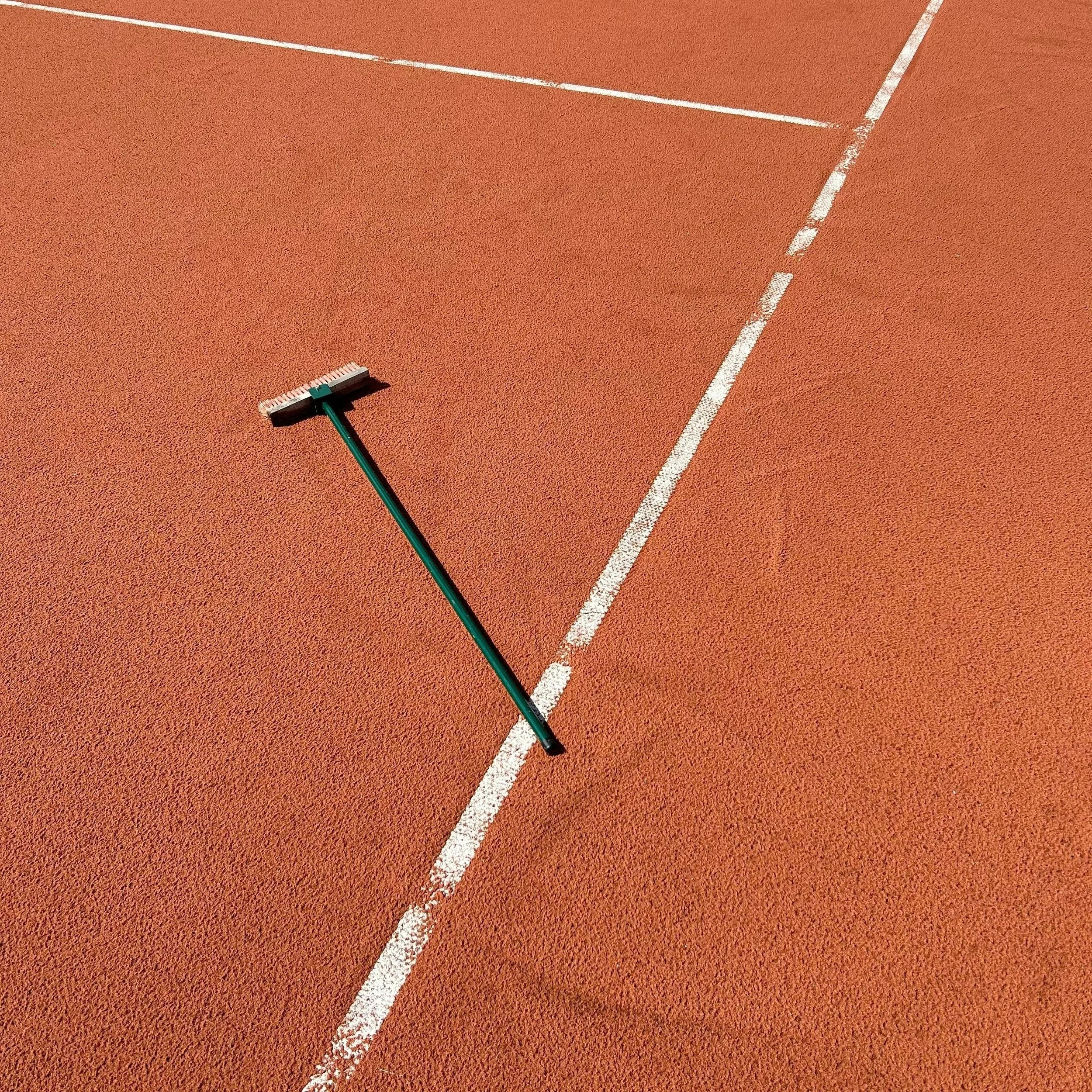
Drainage systems are high on the list. Spring showers can overwhelm blocked trench drains or clogged basins. Clearing those before the first big rainstorm prevents ponding that can damage surface coatings and invite mildew. If courts have infill materials, such as synthetic turf or modular tiles, they should be raked, leveled, and spot-replenished to maintain consistent bounce.
A surface-level check won’t catch everything. Professionals often use infrared imaging or laser leveling tools to detect underground voids or subtle warping. Spring is the perfect time for patch repairs and color touch-ups before daily play kicks into gear.
Inspect And Tighten Court Equipment
Spring winds and winter freeze-thaw cycles are not kind to hardware. Tennis net anchors, pickleball posts, basketball goals, fencing brackets, and gate hinges all loosen over time. A friendly-looking backboard may wobble like a cartoon if left unchecked.
Professional maintenance crews tighten fittings, lubricate moving parts, and replace rusted or warped hardware before the season heats up. It’s also prime time to adjust net tension, replace torn windscreens, and make sure that ball containment systems still do their job. If the net sags like a hammock, it’s not just bad aesthetics—it’s a performance issue.
Summer Sun Requires Proactive Surface Care
UV rays don’t just tan players; they break down court coatings. Paint fades, acrylics harden, and synthetic infill loses elasticity. Mid-summer maintenance focuses on keeping the surface cool and playable while protecting it from damage.
Water-based sealants and specialized top coats can be applied in summer to refresh surface integrity. Professionals often schedule these for early morning or dusk, when temperatures are more cooperative. Spot resurfacing also gets attention—small trouble zones near baselines or key lines receive new layers to prevent uneven ball bounce or rolled ankles.
Keeping surfaces clean between professional service visits helps extend longevity. Sweeping debris, removing algae buildup from shaded corners, and using court-safe blowers between games keep abrasive materials from grinding away at the finish.
Protect Lines And Striping From Fading
Court striping doesn’t just mark play areas—it sets the tone. Faded, peeling, or discolored lines confuse players and make a court look neglected. Summer sun accelerates striping deterioration, especially in high-contact areas like service boxes or basketball courts.
Professionals use UV-resistant paints and tape with tight adhesion formulas for re-striping. Striping isn’t just an art—it’s also a science of spacing, curvature, and regulation compliance. Touch-up painting during low-use weeks keeps lines crisp, while scheduled full repaints every few years maintain surface integrity.
Fall Is For Structural Checkups And Prevention
When the heat breaks and the leaves fall, outdoor courts start preparing for hibernation. Autumn maintenance is all about protecting what’s working and flagging what needs help before winter comes crashing in.
Crack sealing and surface patching rank high. Water intrusion through even tiny cracks can freeze, expand, and break apart layers from the inside. Fall is also the right time to check for substrate shifts, soil erosion along court edges, and any slope failure in drainage grading.
Fencing gets attention in the fall. Bent poles, loose mesh, and damaged gate latches need repair before high winds or snow loading turn a minor flaw into a full-blown fence failure. Shade structures and benches also get a once-over—nothing ruins spring opening like discovering a collapsed canopy or splintered seat.
Leaf Removal Is Not Optional
Leaves might look charming in fall photos, but they’re a menace to court surfaces. They trap moisture, stain coatings, and become breeding grounds for moss and mildew. Left long enough, they also etch the surface, especially on acrylic and cushioned systems.
Professional court service teams often provide fall leaf removal as part of their quarterly visit packages. Courts surrounded by trees may benefit from temporary netting or wind barriers to reduce accumulation. Keeping leaves off the surface extends their life and improves the appearance of everything.
Winterizing Means More Than Closing The Gate
Outdoor courts don’t need a nap; they need a plan. Winterizing strategies vary by region, surface type, and exposure. In cold climates, net systems are removed and stored indoors. Fencing panels may be braced or loosened to accommodate snow drift. Surfaces prone to frost heave require inspection and reinforcement of drainage pipes.
Moisture is the enemy during freeze-thaw cycles. Water that seeps into cracks or base layers can expand with damaging force. Professionals apply sealants, cover expansion joints, and create temporary barriers against snow buildup. In some cases, installing weather-resistant temporary covers over high-end courts makes the difference between light maintenance and full resurfacing in spring.
Snow Removal Calls For A Soft Touch
One-size-fits-all snow removal doesn’t work for outdoor courts. Steel snow shovels, salt-based ice melt, and heavy plows can ruin surfacing in minutes. Courts need specialized snow pushers with rubber blades, court-safe de-icers, and experienced operators who know the difference between scraping snow and scoring acrylic.
Basketball courts and pickleball setups often stay active year-round in mild climates. Even in snowier areas, courts with good drainage and proactive snow management can host cold-weather tournaments. With the right professional strategy, winter play is not off the table—it just takes a lighter footprint.
Monitor Court Accessories Year-Round
Every element attached to an outdoor court affects its overall safety and appeal. Lighting systems should be checked seasonally for bulb performance, wiring integrity, and angle alignment. Bad lighting leads to poor play and more twisted ankles than anyone wants to admit.
Benches, canopies, windscreens, and storage sheds all deserve quarterly attention. Warped wood, fabric tears, or loose fasteners need professional intervention. Even hydration stations and trash receptacles should be secured and maintained, especially in shared-use or high-traffic facilities.
Adjust Maintenance Frequency By Usage
Not every outdoor court has the same footprint. A community basketball court that sees ten games a day will wear faster than a private bocce lane used every other weekend. Professional court care includes custom scheduling based on user volume, sport type, surface material, and local climate.
High-traffic facilities may need monthly check-ins, while lower-use courts stay fresh with seasonal service. Professionals create court-specific maintenance plans that optimize performance, appearance, and budget—because resurfacing too early wastes money, and waiting too long causes damage that repair work alone can’t fix.
Stay Ahead With Preventive Resurfacing
Waiting for surface cracks or player complaints before planning a resurface is a shortcut to expensive overhauls. Resurfacing on a regular cycle extends the lifespan of base materials and maintains consistent game performance. Different sports and surfaces have different lifespans—acrylic tennis courts may need a new coating every four to six years, while cushioned pickleball courts may last longer with careful upkeep.
Professionals track wear patterns, measure bounce quality, and test traction levels to decide when resurfacing should happen. The key is not to wait for damage. Resurfacing is proactive, not reactive, when done right.
Record Keeping Helps Long-Term Planning
Keeping track of what’s been done, when, and why helps court owners make smart decisions over time. Maintenance logs include service dates, material specs, technician notes, and photos. These records not only support better budgeting but also protect warranty claims and guide future upgrades.
Professionals often provide digital dashboards or hardcopy binders for clients to store inspection reports, resurfacing intervals, and repair photos. It’s more fun than it sounds—and a lifesaver when it’s time to pitch a new court to the board or negotiate a maintenance contract extension.
Maintenance Is A Performance Strategy
Well-maintained courts play better, last longer, and invite more use. Nobody wants to dribble on a cracked basketball surface or serve over a drooping tennis net. By partnering with professionals who understand the full rhythm of seasonal care, outdoor court owners gain peace of mind, happier players, and better long-term value.
Cross-surface maintenance isn’t about babysitting—it’s about championship-level planning for whatever the year throws at your court. Rain, snow, blazing sun, or falling leaves, a tailored maintenance checklist keeps every bounce, volley, and fast break sharp and safe.
CourtMaster Sports, Inc. offers a complete, one-stop solution for professional court resurfacing and repairs services in Southern California and Southern Nevada, including crack repair, surface patching, and full court resurfacing. Our trained and experienced team services sports court surfaces with a focus on safety, playability, and long-term performance. Schedule your court resurfacing service today and get a smooth, high-performance playing surface.