
Blog
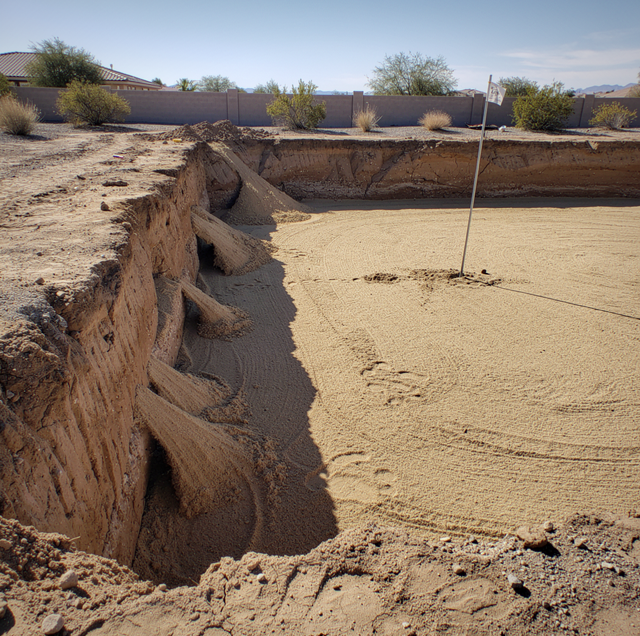
How Does Sub-Base Prep Differ on Sandy Soils?
Once a court is finished, every visible detail is above the slab: the color coat, the lines, the net, the fence.
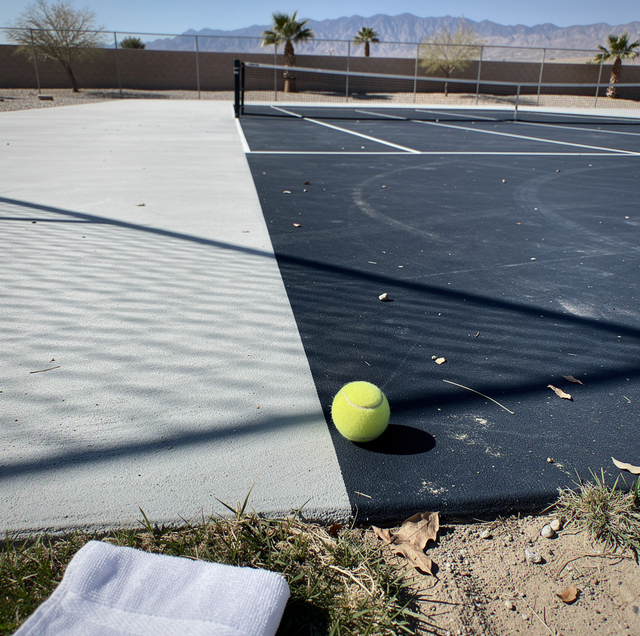
Do Dark Court Colors Get Too Hot to Play On?
Step onto a dark green or navy court surface in thin-soled shoes around one in the afternoon and you will feel it before you consciously register it: a wave of heat pressing up through the sole, sharper than the air around you, almost like standing on a stovetop that was switched off ten minutes ago.
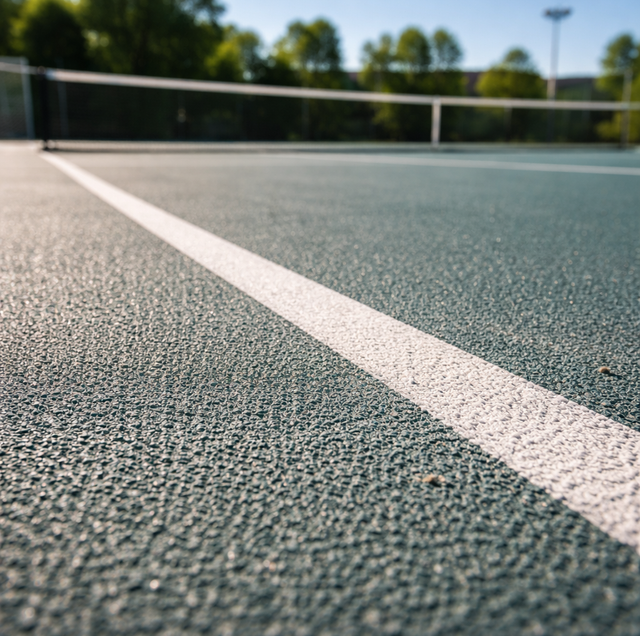
What Makes a Slip-Resistant Court Surface Hold Grip
A court can look perfectly dry and still send a player's foot out from under them, or feel sure-footed through a light rain.
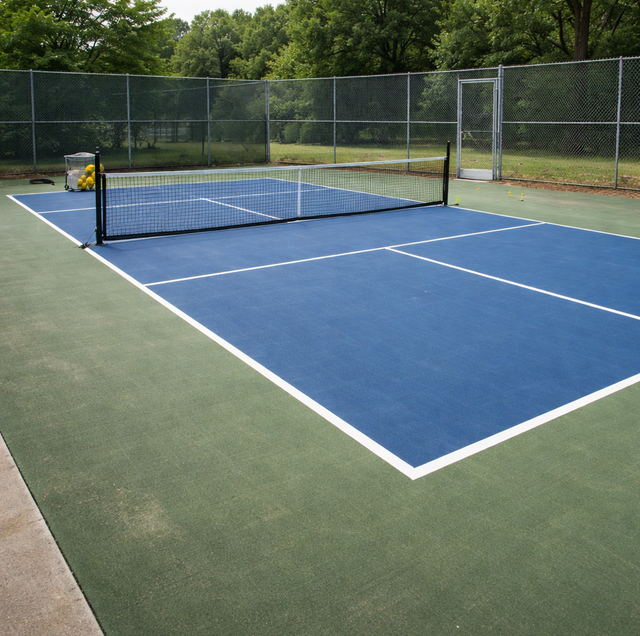
Pickleball Court Dimensions and Layout: The Full Footprint
Most people start a pickleball court project by measuring the painted rectangle. That is the part you see on television, and it is exact and non-negotiable.
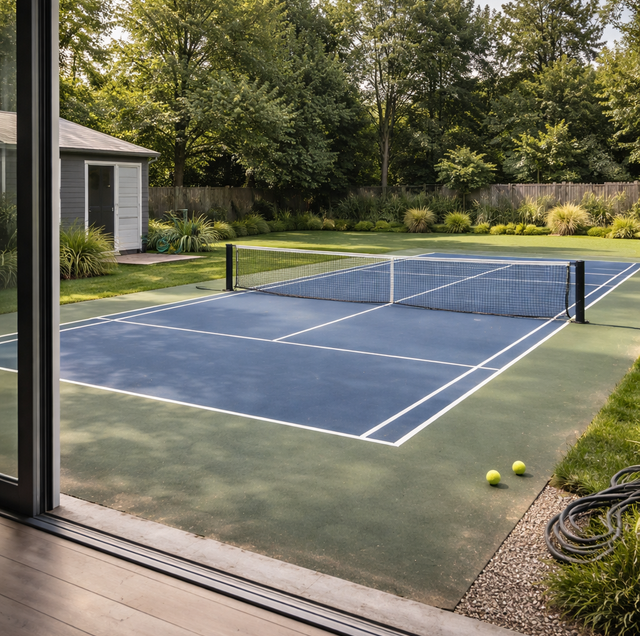
Tennis Court Size: How Much Room You Actually Need
Almost everyone who measures their backyard for a tennis court measures the wrong thing first.
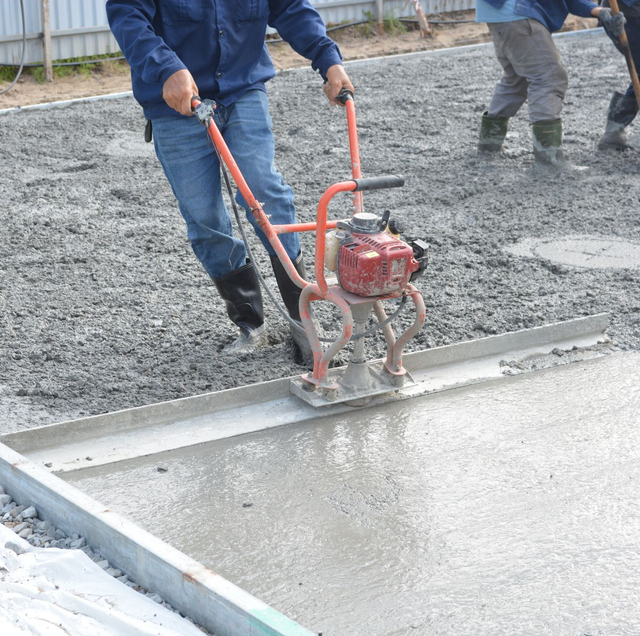
How Long Does It Take to Build a Court? The Real Timeline
The honest answer to how long a sport court takes is that most of the schedule is spent waiting, not working.
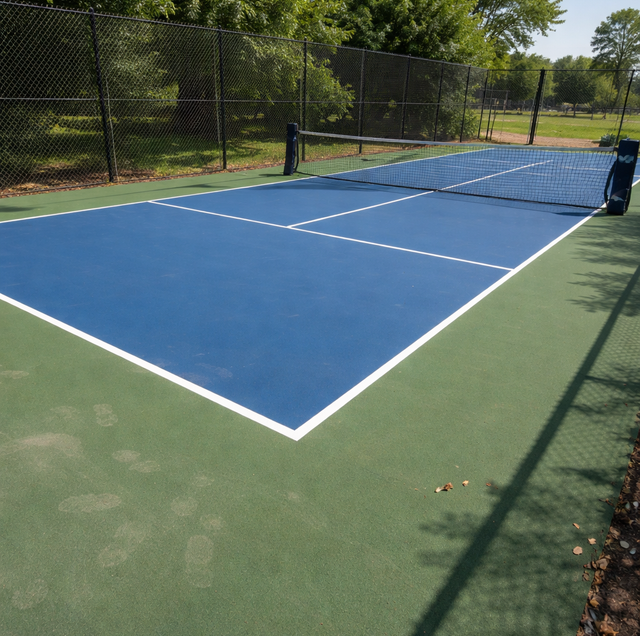
How a Sport Court Is Built: The 7 Layers That Matter
A finished court looks like a single flat plane of color, so it is easy to assume the surface is the court.
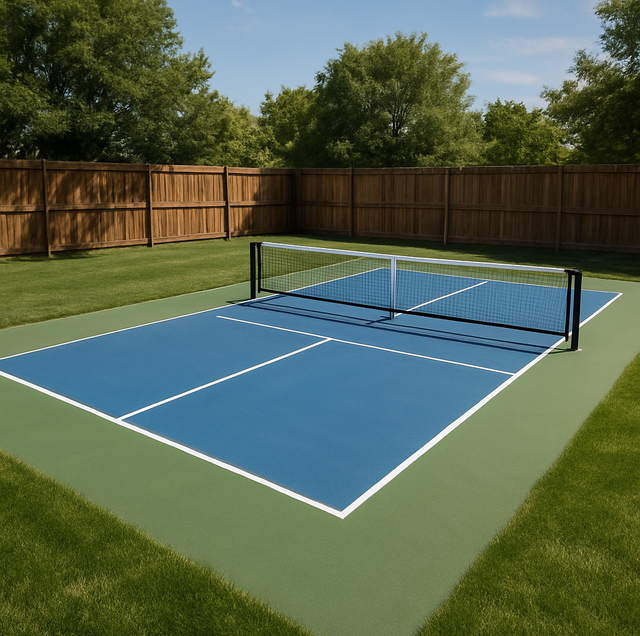
Single vs Multi-Sport Court: What Really Fits a Small Yard
A backyard has fixed corners. The lawn, the patio, the setback from the fence line, the spot where the pool equipment sits, all of it eats into the rectangle you actually have to work with. That fixed rectangle is the real starting point for a home court, and it decides more than most people expect. Before you pick a game, you are really choosing between two philosophies for that rectangle: give it to one sport and do that sport well, or share it among several and accept a few trade-offs so the whole family gets a turn.
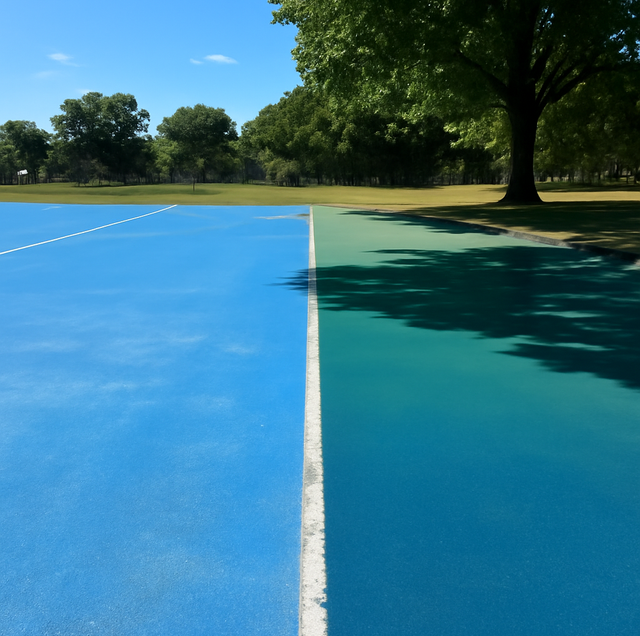
How to Choose Court Colors That Resist UV Fading for Years
A court that looked deep green and crisp blue on installation day can drift toward a chalky, washed-out version of itself after a few seasons in the sun. That change is not dirt, and it is not wear from play. It is the pigment in the acrylic coating that is slowly breaking down under ultraviolet light. Understanding why that happens is the difference between picking a color you love for one season and picking one that still looks close to right many years later.
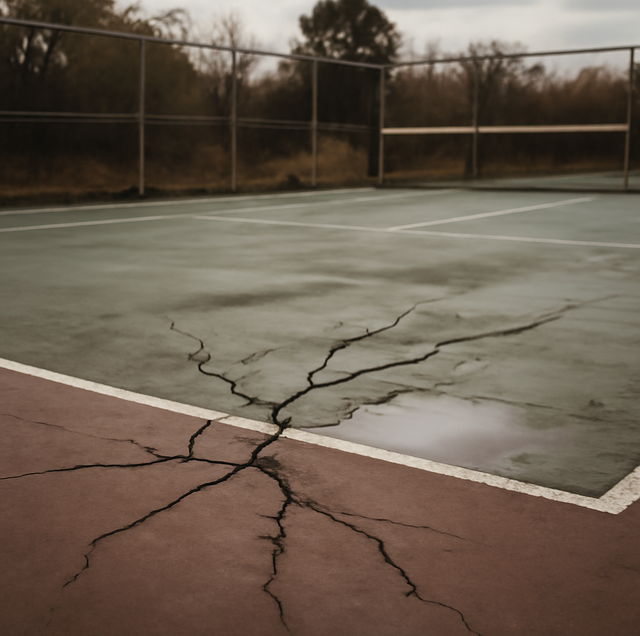
Tennis Court Resurfacing vs Full Replacement: How to Decide
The color has faded, cracks are spidering across the baseline, and water pools in a low spot after it rains. Your court has clearly reached a decision point, and the question is whether a fresh surface will bring it back or whether the whole thing needs to come out and start over. The answer is not about how tired the court looks. It is about what is happening to the base underneath it.
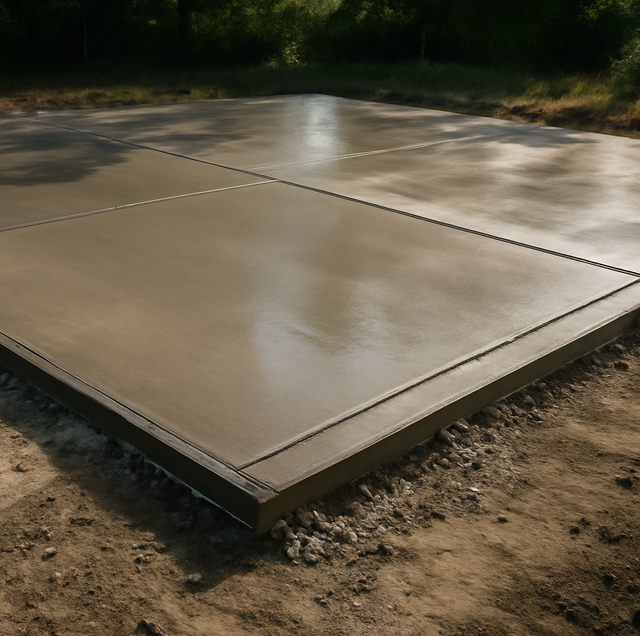
What Surface Is Best for a Backyard Basketball Court?
Most people shopping for a backyard court start at the top, comparing colors and coatings and the feel of the ball off the floor. That is the wrong end to start from. The surface you play on is real, and it matters, but the layer that decides if your court lasts fifteen years or spiderwebs with cracks in three is the one nobody sees. Get the base right first, then choose the surface that fits how your family actually plays.
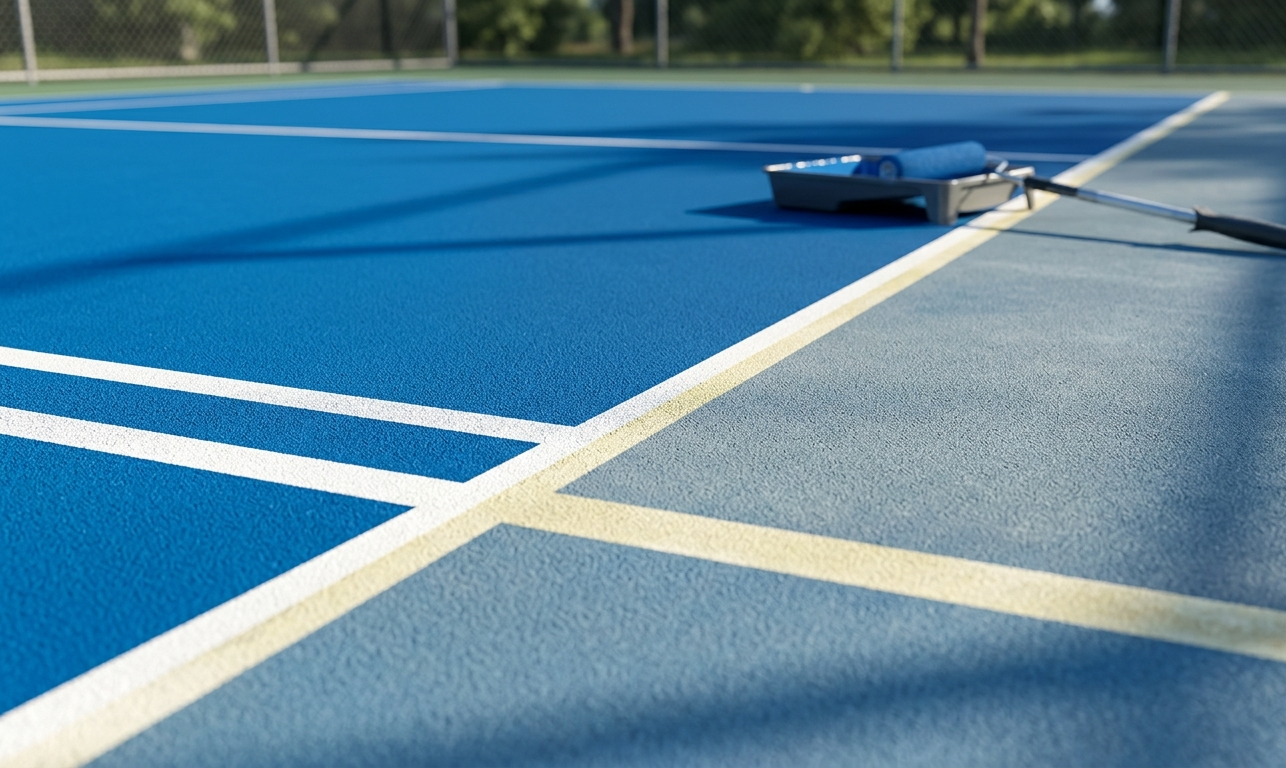
Why Do Sport Court Surfaces Fade — and Which Colors Last?
A freshly coated sports court is vivid and sharp, but under relentless sun, that color doesn't stay that way forever. Fading is one of the most common cosmetic concerns for outdoor courts, especially in intense-sun climates. Understanding why courts fade — and which colors tend to hold up best — helps you choose a court that stays looking good longer and plan for keeping it that way.
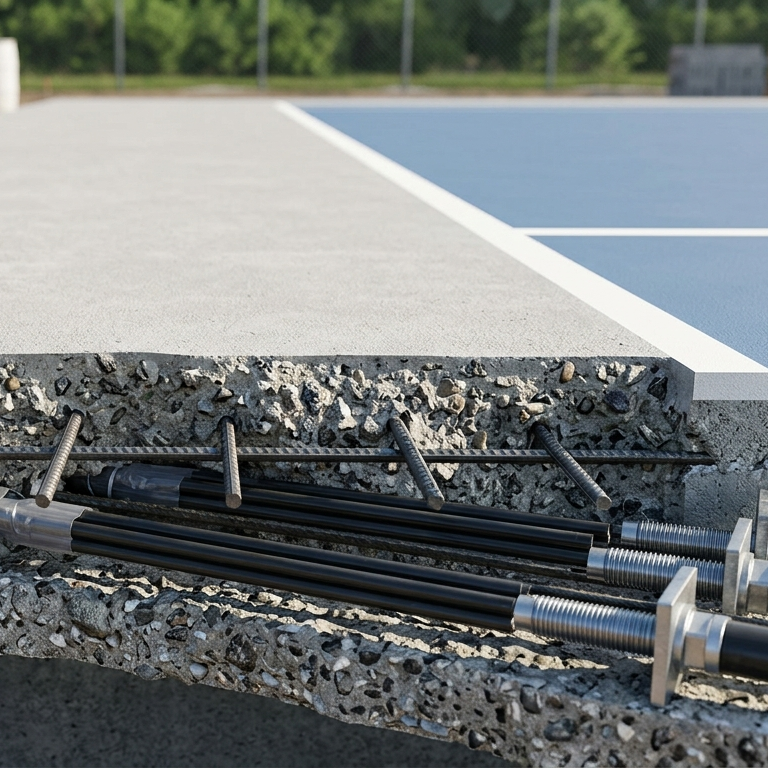
Post-Tension vs Standard Concrete Court Bases: Which Lasts?
Every court rests on a base, and that base — usually concrete — is the foundation that determines how the court holds up over the years. The biggest threat to that longevity is cracking, because cracks in the base work their way up to the surface. The two main base options, post-tension and standard concrete, differ in how well they resist cracking, and understanding that difference helps you build a court that lasts.
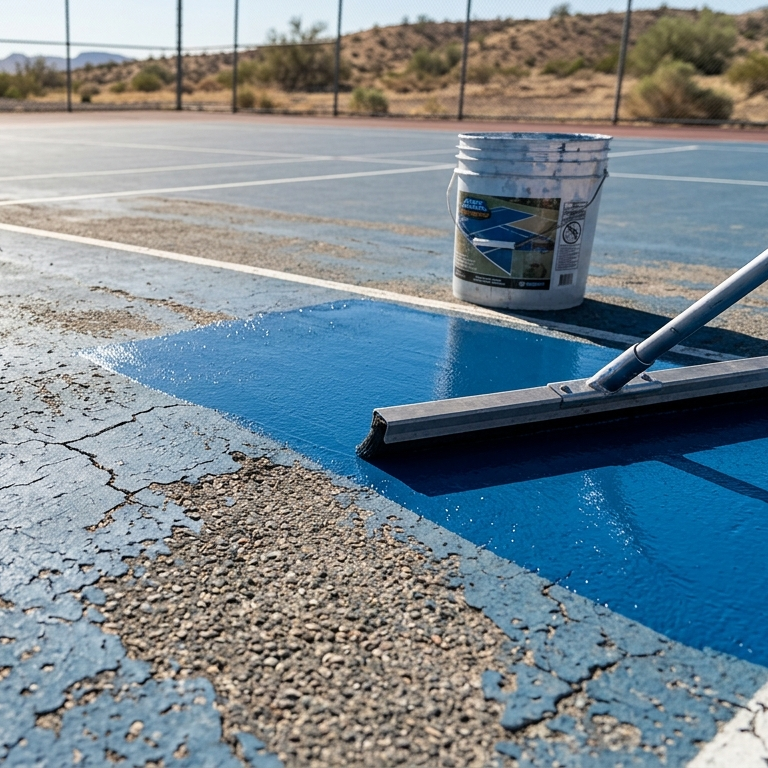
How Long Does an Acrylic Court Really Last in Extreme Heat?
When people ask how long an acrylic court lasts, they are really asking two questions, because a court has two lifespans: the coating on top and the base underneath. The base can serve for decades. The acrylic surface — the part that gives you the color, the texture, and the playing speed — wears out faster and gets recoated periodically. In extreme heat, that surface cycle is exactly what the sun shortens, so knowing what drives it helps you plan and protect your investment.
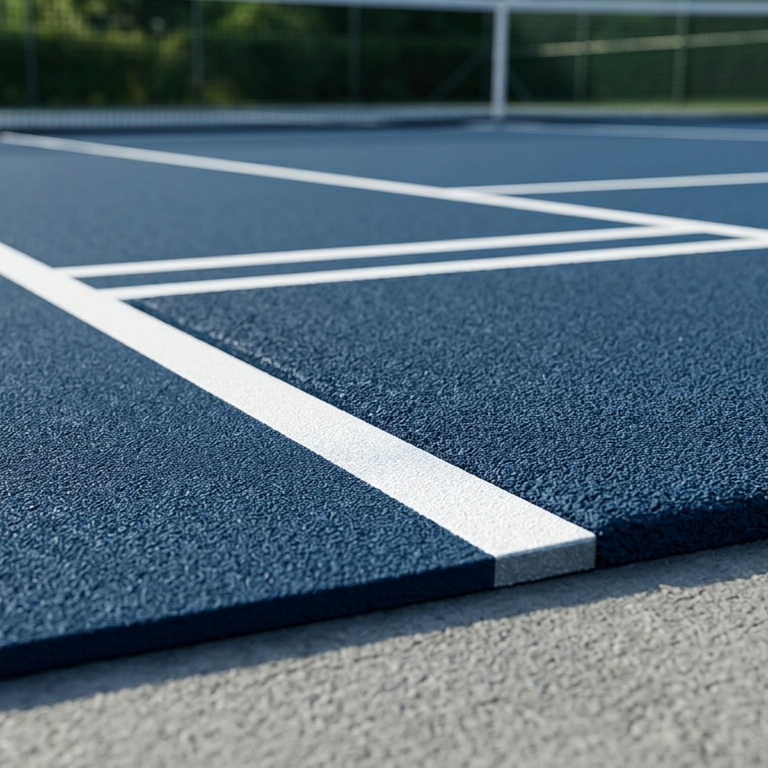
Hard Court vs Cushioned Acrylic: Which Plays Better?
When building or resurfacing a court, one choice that shapes how it feels to play is whether to go with a standard hard court or a cushioned acrylic surface. Both are acrylic systems, but they play differently — one firm and fast, the other softer and easier on the body. Understanding the difference helps you choose the surface that fits how you and your players want the court to feel.
Converting a Tennis Court to Pickleball: What It Takes
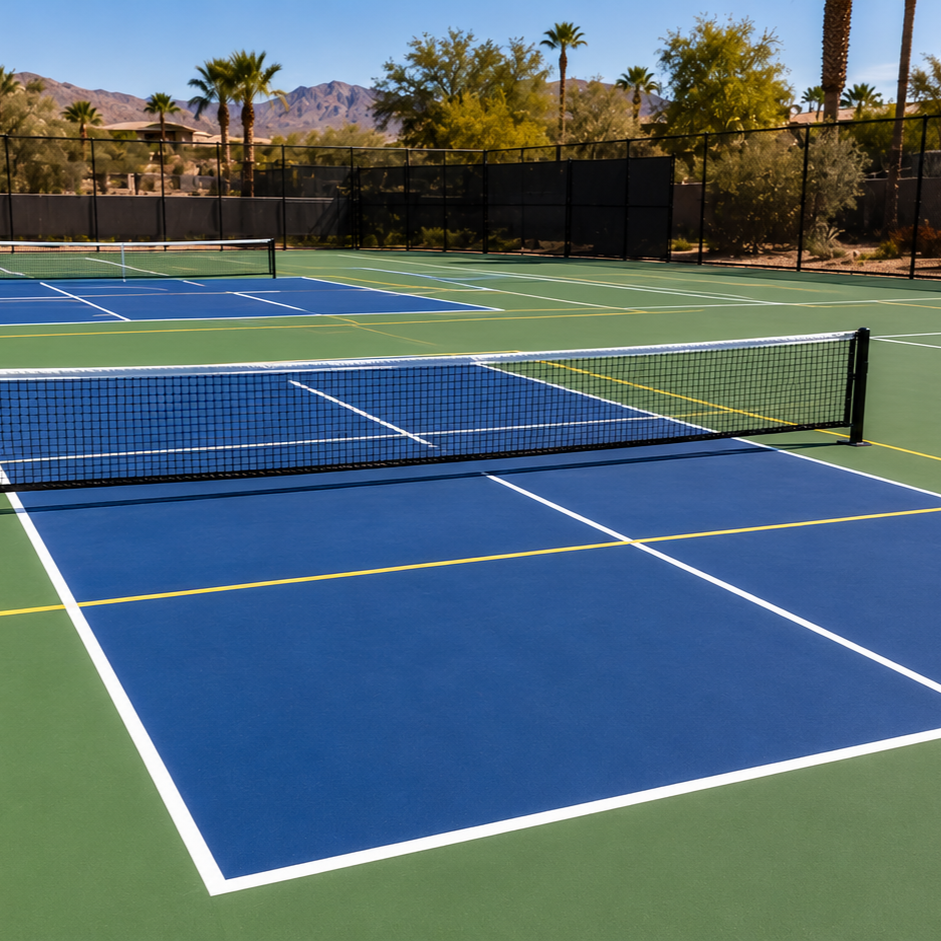
That tennis court out back doesn't get used the way it once did, and every weekend the pickleball courts across town have a waiting list. The math is obvious — but turning one into the other is more than painting a few lines, and how you do it depends on whether you ever want to play tennis there again. Here's what's actually involved, from a quick shared-use striping to a full dedicated conversion.
Outdoor Courts for Hotels and Resorts: Boosting Guest Appeal
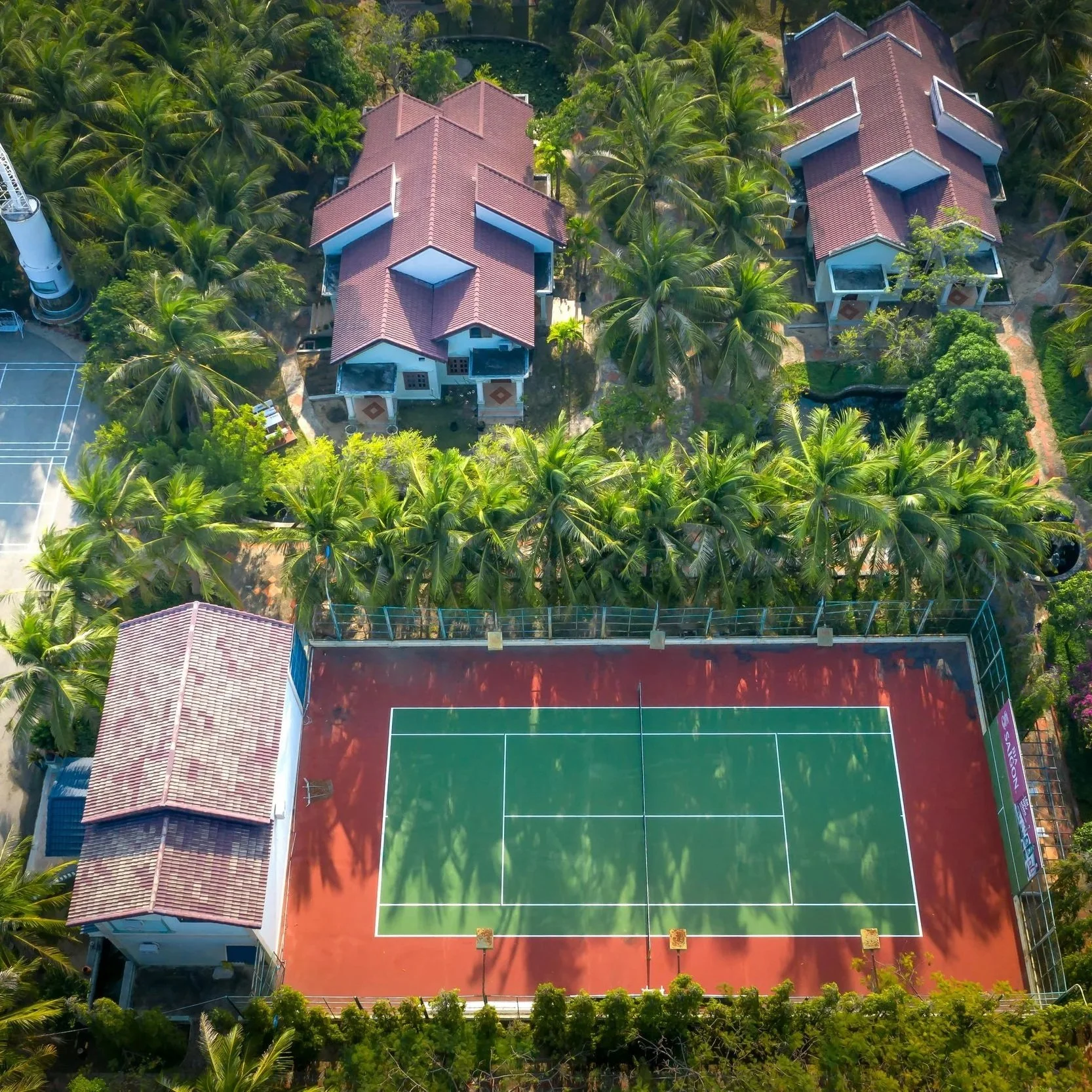
Aesthetics matter as much as function. Guests expect courts to feel like part of the experience, not an afterthought next to the loading dock.
A Year-Round Maintenance Checklist for Outdoor Courts
A surface-level check won’t catch everything. Professionals often use infrared imaging or laser leveling tools to detect underground voids or subtle warping.
Promoting Pickleball Tournaments with Your New Court Installation
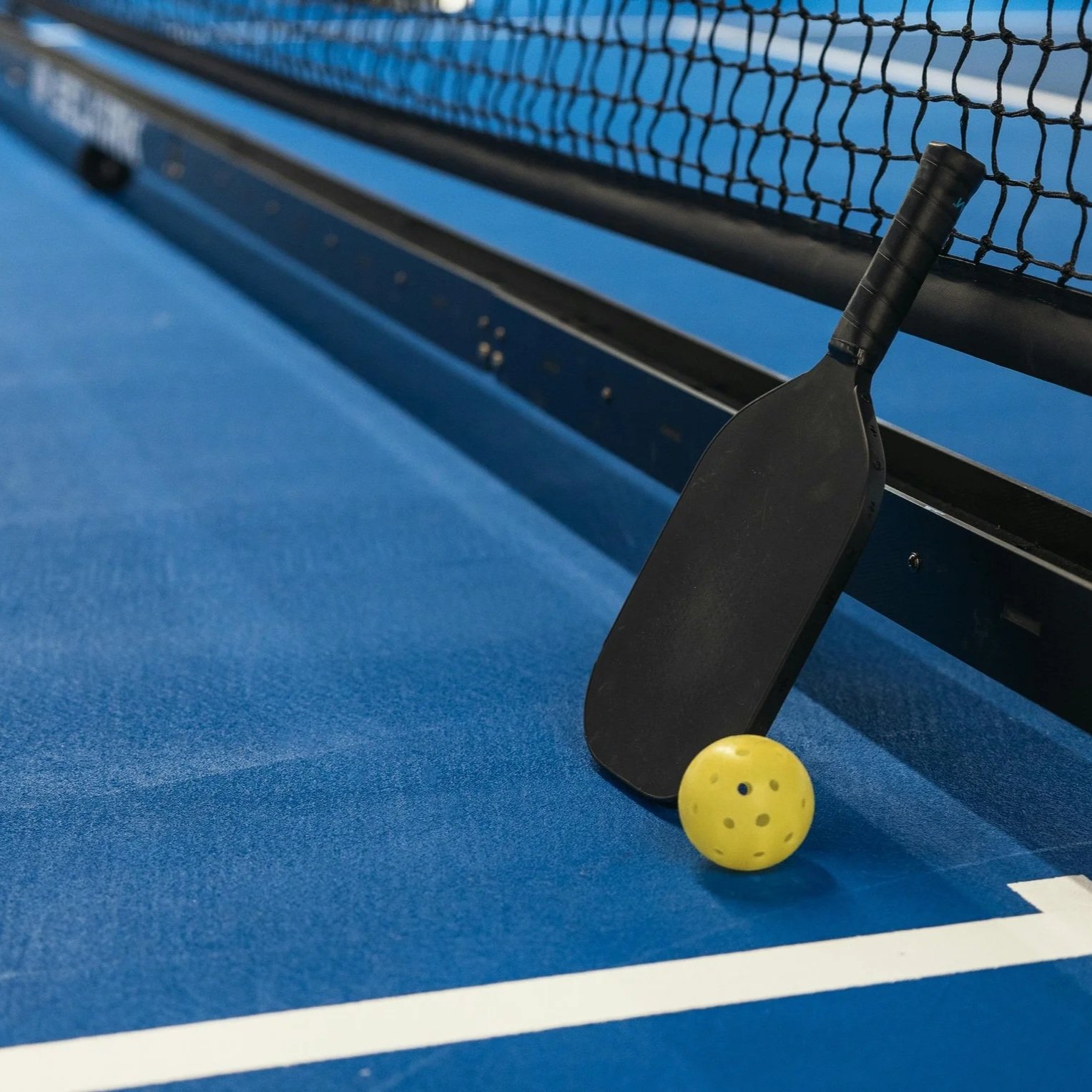
Your court is a hub, but people power the momentum. Launching with a community-focused event turns passive interest into active engagement.
Why DIY Court Projects Often Cost More in the Long Run
That initial low-cost appeal tends to fade when compared with the long-term return on investment offered by professional court construction.