
When Is It Time to Replace Your Tennis Court Surface?
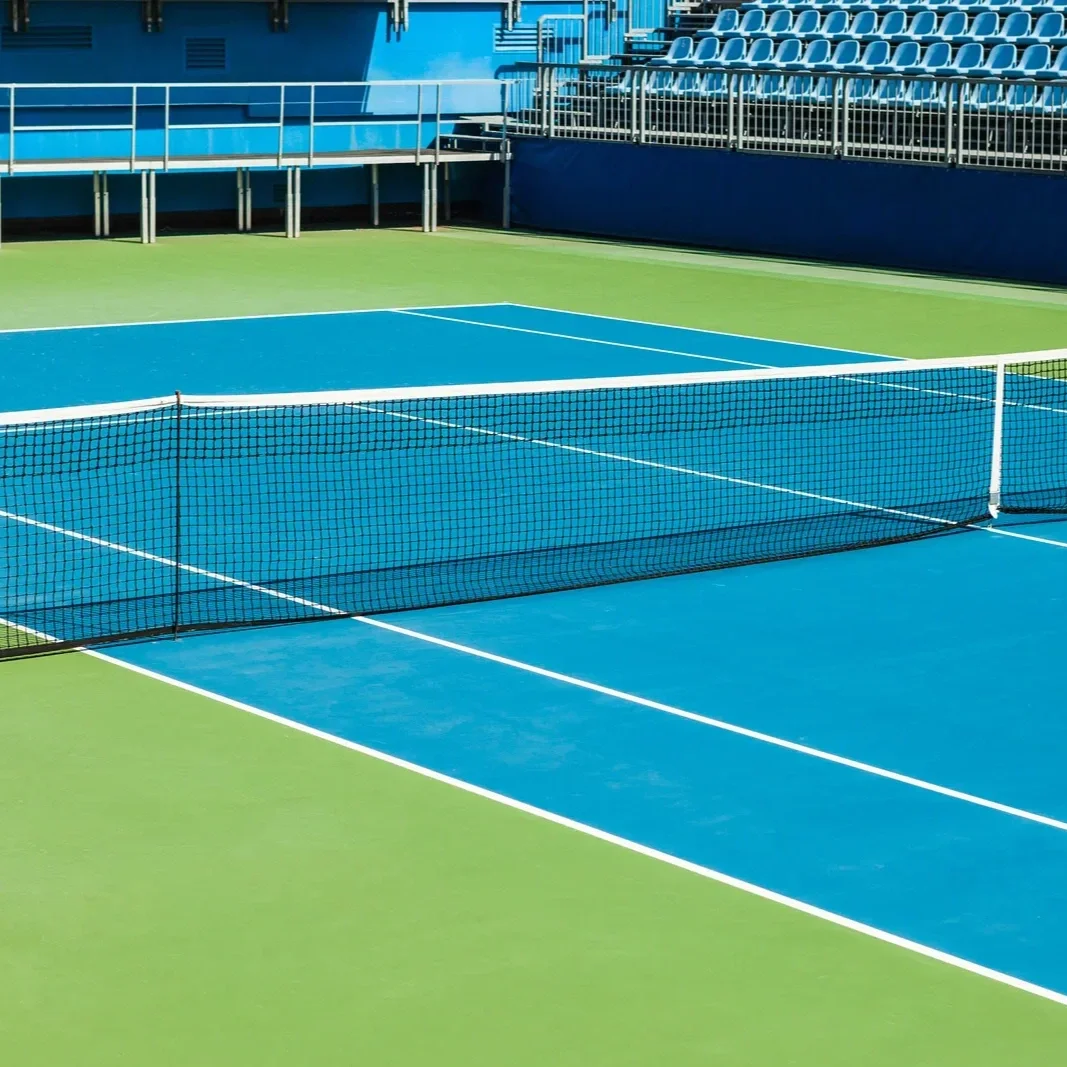
At some point, it’s more cost-effective and reliable to start fresh with a professionally installed surface that can withstand years of serves, rallies, and bad line calls.
Cracks Keep Coming Back
Hairline cracks may seem harmless at first, but when they start making an annual appearance—or worse, multiplying like rabbits—it’s time to stop playing whack-a-mole and consider full replacement. Cracks often indicate more than surface stress. They can signal shifting in the base layer or problems with subsurface moisture.
A few repaired cracks here and there are manageable. But when the court starts looking like a road map or if the same spots reopen after each patch job, it means the surface has reached the end of its service life. Frequent crack repair becomes costly, and worse, it disrupts play. At some point, it’s more cost-effective and reliable to start fresh with a professionally installed surface that can withstand years of serves, rallies, and bad line calls.
The Surface Loses Its Grip
Every tennis court has its own character, but one thing they all need is proper traction. When players start slipping more than they’re sliding—especially on dry days—it’s a red flag. A fading surface loses its texture, which helps shoe grip, affecting footwork and increasing injury risk.
Acrylic coatings are designed to provide consistent traction through sand-infused layers. Over time, sun exposure, foot traffic, and rain wear down the texture. Once the topcoat starts to feel slick, even after cleaning, resurfacing might not be enough. Replacement gives the court a new grip on life, letting players return to their game without tiptoeing through their footwork.
Water Takes Too Long To Leave
Standing water might be great for ducks, but it’s terrible for tennis. Courts that hold water for hours—or worse, days—are screaming for attention. Poor drainage causes premature surface aging, accelerates mold and mildew growth, and creates slippery zones that mess with gameplay.
Drainage issues often begin in the court’s slope or sub-base. If the court was never graded correctly or the foundation has shifted, no amount of patching or painting will redirect the water. When puddles become part of the layout, it’s time to evaluate the entire structure. Replacing the surface allows professionals to regrade, recompact, and rebuild the base so the next rainstorm doesn’t lead to rescheduling or soggy sneakers.
Bounce Becomes Unpredictable
Tennis thrives on rhythm. That rhythm disappears when the ball starts bouncing like it’s had a long night out. Dead spots, uneven patches, or bounce inconsistencies usually mean the court’s underlying layers are compromised.
Players may not notice the first few irregular bounces, but once they start adjusting their game around the surface quirks, play quality suffers. A surface that no longer provides consistent bounce becomes a frustration, not a feature. When resurfacing fails to correct these issues, a complete replacement allows for recalibrated bounce characteristics and a court that rewards good technique—not lucky breaks.
Color Fades And Coatings Peel
Looks aren’t everything, but they do matter. A tennis court with faded color, peeling paint, and washed-out lines gives off serious retirement vibes. Beyond aesthetics, fading signals that the UV protection in the court’s top layer has worn away. Peeling is often a sign that the acrylic coating is delaminating due to age or moisture penetration.
A quick resurface might refresh the court’s appearance temporarily, but if the foundation is crumbling beneath the paint, those good looks won’t last long. Replacement allows for a complete reset of materials, layers, and coloration. With professional-grade acrylics and expert installation, the court returns to full vibrancy—and stays that way for years.
Resurfacing No Longer Holds Up
Resurfacing is a fantastic tool for keeping courts in play, but even that has its limits. Each layer adds a tiny bit of height and weight to the surface. Over time, too many layers can lead to drainage issues, uneven transitions at the court’s edge, and dull play characteristics.
If the court has been resurfaced multiple times and is still showing signs of damage shortly after the last project, the base may be compromised. Replacement doesn’t just restore playability—it restores the foundation. A fresh base, new coatings, and properly measured slope create the conditions needed for resurfacing to actually work in the future.
Base Instability Becomes Obvious
Tennis courts sit atop compacted layers of gravel, asphalt, or concrete. When those layers shift, the entire surface suffers. Soft spots, dips, bulges, and edge heaving usually indicate that the base has stopped doing its job. These structural issues are hard to correct from the top down.
Professionals can test the depth, compaction, and moisture levels of the sub-base to confirm what’s happening below the surface. If it’s time to replace the court, the project typically begins with removing the old layers, regrading the site, and installing a new foundation. The result is a stable surface that feels solid underfoot and plays predictably, rain or shine.
Safety Concerns Multiply
Even a small surface defect can become a trip hazard. As more trouble spots appear, the risk of injury increases. Older courts often develop edge cracking, raised seams, or blistering—all of which can lead to twisted ankles or unexpected falls.
If surface hazards are outpacing repairs, it’s no longer a maintenance issue—it’s a safety one. Replacing the court removes those hidden dangers and creates a new standard of smoothness and reliability. Players shouldn’t have to scan the ground for hazards before chasing down a cross-court shot.
Usage Has Outgrown The Surface
Tennis courts built for casual weekend matches don’t always hold up when usage spikes. Clubs, schools, and public facilities often see an increase in foot traffic as interest grows, and some older surfaces simply weren’t designed to take that much pounding.
Higher usage means more wear, faster fading, and quicker breakdown of the playing surface. If maintenance can’t keep up and play quality is dropping, replacement may be the smart move. New materials and base upgrades are designed to handle heavier traffic, longer hours, and more aggressive play without falling apart after one season.
The Court Can’t Be Adapted For Other Sports
Tennis is sharing the stage with a growing cast of court sports. Pickleball, futsal, and even modified basketball layouts are finding their way onto multi-sport surfaces. If an aging tennis court can’t be adapted to handle shared use, replacing it with a modern, multi-use surface opens new possibilities.
Professionals can install dual-purpose layouts with customized striping, color zoning, and net systems that make the court work harder without compromising performance. Instead of letting an old tennis court slowly fade into irrelevance, replacement creates a space that serves more users and attracts new energy.
Maintenance Costs Are Adding Up
It’s easy to keep patching, painting, and taping—but those costs add up quickly. Frequent repairs might seem like small investments, but over time, they can rival or even exceed the cost of a proper replacement. The court never plays quite right, and players still complain.
When repairs become a recurring line item, and resurfacing lasts only a season or two, the surface is past its prime. Replacement brings predictability, reduces upkeep costs, and restores the court to a condition that’s easier to maintain. It’s not just about the money—it’s about getting the court back to doing what it does best: hosting great matches.
Professionals Make The Process Smooth
Court replacement isn’t a weekend project or a trial-and-error adventure. It takes experienced hands to assess the base, remove the surface, manage drainage, and install new coatings that meet both aesthetic and play standards.
Professional contractors handle grading, slope calibration, material selection, and compliance with sport-specific regulations. They also provide realistic timelines, warranty options, and ongoing maintenance support once the new court is in place.
When tennis court replacement is done right, it’s not just a makeover—it’s a complete revival. The bounce returns. The color pops. The court becomes a destination again. And whether it’s for singles battles, doubles camaraderie, or community tournaments, the action never has to pause for puddles, cracks, or complaints.
CourtMaster Sports, Inc. offers a complete, one-stop solution for professional court resurfacing and repairs services in Southern California and Southern Nevada, including crack repair, surface patching, and full court resurfacing. Our trained and experienced team services sports court surfaces with a focus on safety, playability, and long-term performance. Schedule your court resurfacing service today and get a smooth, high-performance playing surface.