
DIY Pickleball Court Repairs vs. Hiring a Pro: What's the Best Option?
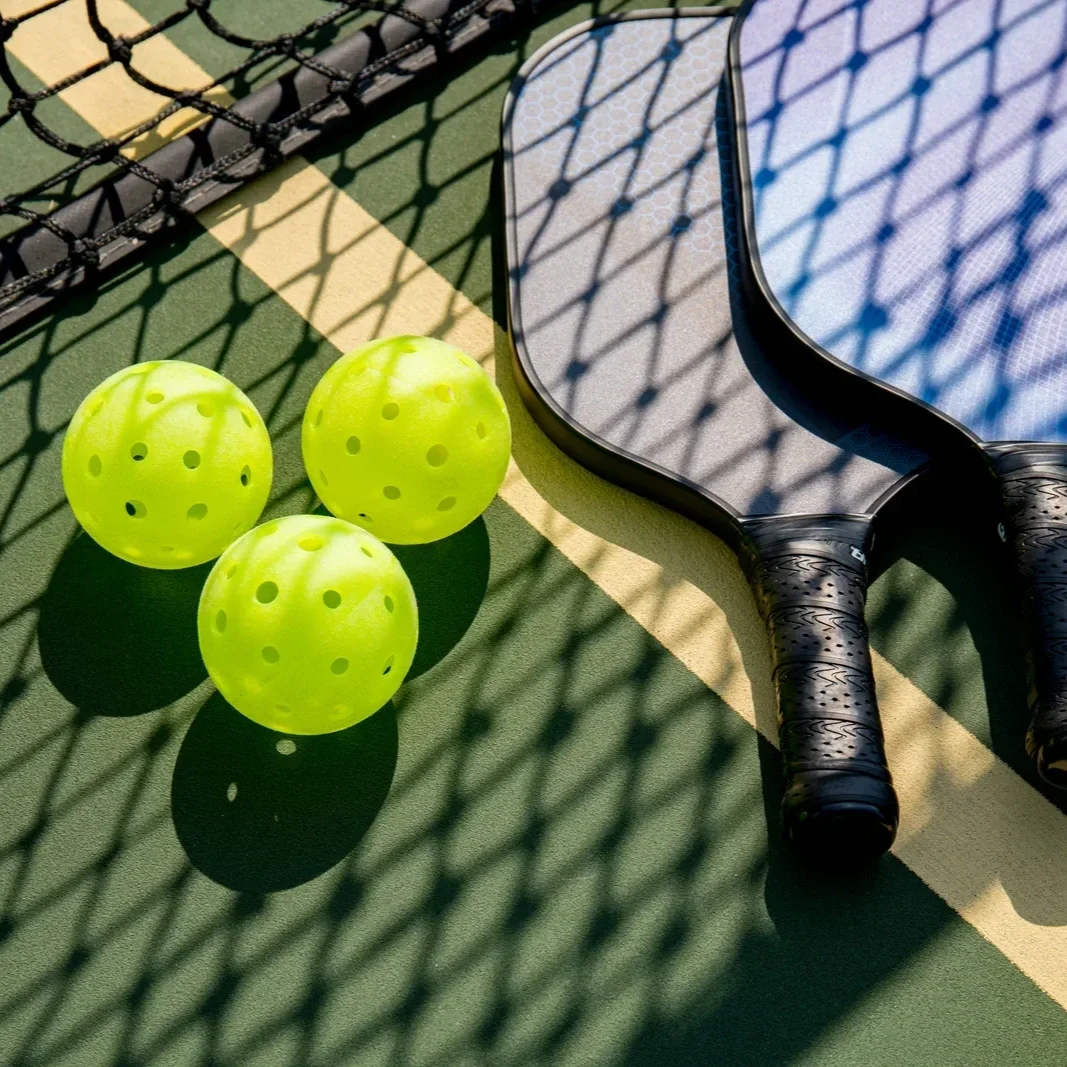
Professional repairs offer more than just polished surfaces. They deliver a game-ready court that holds up under pressure—literally and figuratively.
When a pickleball court starts showing signs of wear—cracks creeping across the surface, faded lines, water pooling in all the wrong places—it's tempting to pull out a bucket of filler and a brush, cue up a how-to video, and dive right in. But while that DIY energy might work for planting tomatoes or building backyard shelves, repairing a pickleball court is a different beast entirely.
It's not just about making it look nice. It's about performance, safety, longevity, and protecting the investment. Professional repairs offer more than just polished surfaces. They deliver a game-ready court that holds up under pressure—literally and figuratively.
Cracks Are Sneaky, And Filler Isn't Magic
Small cracks might look like minor annoyances, but they're often signs of bigger structural issues. Without a proper evaluation, it's easy to patch a surface while ignoring the underlying cause—shifting soil, freeze-thaw cycles, drainage failures, or inadequate base prep.
Store-bought crack fillers may camouflage imperfections for a season or two, but they rarely hold up. They often harden unevenly, peel under UV exposure, or trap moisture beneath the surface. That trapped moisture can worsen over time, leading to new cracks, flaking, or bubbling when temperatures swing.
Professionals inspect the root cause of surface damage before reaching for a trowel. They also use specialized materials designed to bond with the existing court and flex with it during seasonal changes. The result isn't just smoother—it's smarter.
Court Color Matching Is Trickier Than It Sounds
Repainting a kitchen wall and repainting a pickleball court are not in the same category. Trying to match sun-faded court coatings with a new batch of acrylic paint is like guessing someone's coffee order by smell alone. Even a slight mismatch can leave the court looking patchy and inconsistent.
Players rely on visual clarity. Blurry or mismatched lines affect gameplay and create confusion, especially in fast-paced matches. A pro understands how to blend new coatings with old ones, correct uneven fading, and use color contrast for optimal ball visibility.
Repainting isn't just about slapping down some lines. A pro job involves sanding, pressure washing, layering coatings in the right order, and curing everything under proper conditions. It's an art form—and one that directly affects performance.
Drainage Issues Need More Than A Mop
If water's hanging around like an uninvited guest, the surface is probably not the only thing that needs attention. Pooling water can warp acrylic coatings, cause slippery zones, and damage the substrate. It's rarely something a sponge mop can handle long-term.
Professionals look beyond the court surface to assess slope, base grading, and nearby landscaping. Even a one percent slope can redirect water efficiently, but if the base has shifted or wasn't compacted correctly, no amount of court patching will fix the drainage problem.
Effective drainage might involve regrading, adding perimeter channels, or updating nearby gutters and downspouts. It might not sound glamorous, but it keeps players dry, upright, and less likely to slide through a puddle mid-serve.
Equipment Damage Isn't Just Cosmetic
Bent net posts, sagging nets, or leaning fence panels can make a court look like it's seen better days. But damaged equipment also affects player safety and game integrity. A drooping net alters serve height, while exposed bolts or rusted frames pose injury risks.
DIY fixes often involve duct tape, temporary brackets, or replacement parts ordered online that don't quite fit. Meanwhile, professionals work with manufacturers to source durable, regulation-compliant components. They also install hardware with the right anchors, tensioning, and spacing—details that make a court feel solid and play as it should.
Professionals also inspect surrounding structures, such as fences, wind screens, and lighting fixtures, to catch small problems before they escalate into bigger (and pricier) headaches.
Surface Resurfacing Isn't A Weekend Project
Resurfacing sounds deceptively simple until the roller hits the ground and starts picking up old grit, uneven patches, and air bubbles. There's a lot more involved than just spreading a few gallons of court paint.
First, the old surface needs to be thoroughly cleaned—often with a pressure washer or an industrial scrubber. Then any imperfections must be repaired and leveled before applying multiple layers of resurfacer and acrylic topcoat. Timing, temperature, and humidity all affect how each layer cures.
Professionals work with high-grade materials that aren't available at the local hardware store. They also understand how to apply coatings evenly, avoid pooling, and produce that satisfying bounce players expect. Cutting corners here usually leads to peeling, flaking, and frustration within months.
Safety Standards Don't Flex
Every crack, puddle, and uneven patch is a potential trip, slide, or rolled ankle waiting to happen. Courts that are not properly maintained become a liability—not just for players, but for property owners and community managers.
Professionals stay up to date on industry standards and regulations, including surface friction requirements, net height specs, and access needs. Their work protects more than the court's appearance—it protects the people using it.
For public or commercial courts, professional repairs are often a legal necessity. Courts regularly used by leagues, schools, or communities require documentation of upkeep, including professional inspections and service logs.
Professionals Stand Behind Their Work
There's something comforting about knowing that a court repair isn't the end of the conversation. Professional contractors offer warranties, maintenance plans, and follow-up visits to monitor the court's condition. If something goes sideways, there's someone to call—someone who knows the court and how it was built.
With DIY repairs, that safety net doesn't exist. A patch that fails means more materials, more time, and more frustration. And if the root issue wasn't addressed, the cycle repeats. Sometimes, with worse consequences, the second time around.
Having a trusted pro in your corner turns court ownership into a partnership instead of a project list. That kind of relationship keeps the court playable, polished, and prepared for everything from solo practice to weekend tournaments.
Cost Efficiency Isn't Always Where You Think It Is
It's easy to assume that DIY equals cheaper. But once the cost of materials, equipment rental, and unexpected mistakes adds up, the savings start to shrink. Not to mention the time spent—and the likelihood of doing it all over again within the year.
Professional repairs may involve an upfront investment, but they deliver lasting results. Courts stay in service longer, need fewer touch-ups, and support more frequent play without falling apart. The overall cost per year, per player, or per event is often lower with professional service than with a series of short-term fixes.
There's also the value of peace of mind. Knowing the court is solid, safe, and professionally maintained is worth more than any temporary savings on filler and paint.
Regular Maintenance Prevents Future Repairs
Professionals don't just fix problems—they help prevent them. Routine maintenance from a qualified team includes surface cleaning, inspections, re-striping, and early detection of wear. Regularly maintained courts rarely reach the point of major damage.
It's like dental care for your court. Ignore it long enough, and you'll need root work. Stay on top of the checkups, and things stay simple. That's the difference between replacing a few fence bolts and repouring a whole surface.
Even seasonal maintenance—clearing debris, adjusting nets, checking drainage—goes a long way. Facilities that schedule professional visits once or twice a year tend to avoid the big-ticket surprises.
There's A Reason Pros Use Tape Measures, Not Guesswork
Precision is everything on a pickleball court. The lines aren't just decorations. They define boundaries, influence strategies, and settle arguments before they start. Sloppy line placement ruins more than the visual appeal—it wrecks gameplay.
Professionals measure, mark, and paint in accordance with regulatory standards. They use tools that produce crisp, clean lines with proper spacing. Courts that are resurfaced or repaired also need re-striping that matches the original layout exactly.
A slight deviation might not seem like a big deal, but to experienced players, it's the difference between a confident corner shot and a confused shrug. Line accuracy matters—and pros don't leave it to chance.
A Court That Plays Right Brings Players Back
When a pickleball court looks sharp, plays true, and feels safe, people notice. Players come back more often. Communities take pride in the space. Tournaments and events become easier to host. That kind of value doesn't come from a quick patch job or a half-hearted paint coat.
It comes from thoughtful, professional care. The kind that treats the court like a performance space, not a parking lot. The kind that keeps players smiling, courts thriving, and facilities ahead of the curve in a sport that's showing no signs of slowing down.
CourtMaster Sports, Inc. offers a complete, one-stop solution for professional sports court construction in Southern California and Southern Nevada, including tennis courts, pickleball courts, basketball courts, and bocce courts. Our Laykold-certified team services sports court systems with a focus on precision construction, superior playability, and long-term performance. Design your custom court today and get a high-performance surface built to last.