
What HOAs Should Know About Installing and Maintaining Game Courts
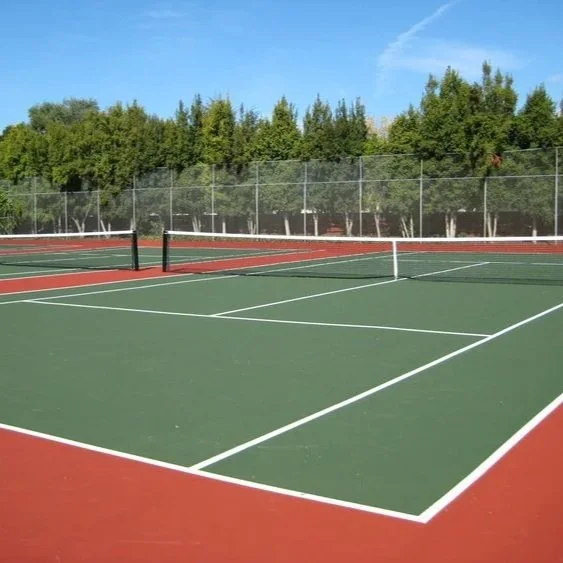
Jumping straight into construction without community input usually backfires—especially when noise, aesthetics, or access rules come into play.
Start With A Game Plan, Not Just A Proposal
Adding a game court to a community sounds exciting, but the road from idea to installation includes more than picking a sport and pouring concrete. Homeowners' associations need a clear process for vetting the project, communicating with residents, and aligning expectations. Jumping straight into construction without community input usually backfires—especially when noise, aesthetics, or access rules come into play.
Professionals work with HOAs from the very beginning, translating those big ideas into actionable, compliant plans. From surveys and renderings to budgeting and phasing, every successful game court begins with strategic communication. When residents feel heard and see the benefit, participation grows—and so does long-term satisfaction.
Location Dictates Playability And Peace
Choosing where to place a court is a critical decision. Poor placement can lead to friction with nearby homeowners, stormwater headaches, or excessive wear on landscaping. Great placement creates an amenity that feels connected to the community without disrupting the peace.
Professionals evaluate sun exposure, drainage, topography, pedestrian flow, and proximity to homes. Courts near retention ponds, fences, or playgrounds often work best. They feel active without overwhelming a quiet cul-de-sac or garden path.
When sound or sightlines pose concerns, builders recommend landscaping buffers, acoustic fencing, and visual screening. It's not just about building a court—it's about building a lasting feature that enhances property value without creating friction.
Permitting Can Make Or Break The Timeline
Municipal permitting is not always a fast-moving process. Game courts may trigger reviews from zoning boards, drainage engineers, ADA compliance reviewers, and building departments—especially when lighting or fencing is involved.
Professionals handle that paperwork so HOA board members don't have to moonlight as permit clerks. They create site plans, equipment specs, grading documentation, and photometric lighting maps to meet code requirements.
Cutting corners on permitting rarely ends well. A stop-work order midway through construction derails budgets and burns goodwill. Building it right and doing it legally makes the entire process smoother.
Surfacing Decisions Matter Long-Term
A court might look beautiful the day it's painted, but the surfacing system beneath determines how long it stays that way. HOAs often focus on color or budget while missing more important decisions—like traction, UV resistance, and water permeability.
Professionals match surfacing to use and climate. High-traffic areas benefit from cushioned acrylics that soften impact and resist cracking. Courts in shaded or humid environments often do better with modular tile systems that promote drainage and resist mildew. Sun-heavy zones need UV-stable coatings to keep colors vibrant.
Surface performance affects player satisfaction and maintenance costs. It's one of the highest ROI decisions an HOA can make—if it's made correctly.
Lighting Design Requires A Delicate Touch
Evening play expands access and increases value, but poorly designed lighting creates more complaints than compliments. Lights that glare into windows, spill into walking trails, or cast long shadows across play zones ruin the experience for everyone involved.
Professionals use LED systems with directional controls, motion sensors, and timers to limit usage while maximizing usability. Pole placement, mounting height, and beam angle are all carefully calculated to contain light within the play zone without creating hot spots.
In HOA settings, light control also includes curfews and zoning. Lights can dim automatically after a certain hour or operate on keypads available only to residents. The result is a safe, attractive environment that doesn't interfere with the neighborhood vibe.
Fencing Should Do More Than Contain Balls
Game court fencing takes a lot of abuse—from bouncing balls and diving players to weather, UV rays, and curious kids climbing where they shouldn't. Cheap fencing might save a little upfront, but it tends to sag, rust, or warp within a few seasons.
Professionals recommend black powder-coated chain link or clear-view mesh that balances strength with aesthetic appeal. Padding and windscreens add comfort, sound control, and style—especially for courts near walking paths or residences.
Gate placement is another overlooked detail. Having only one access point often creates bottlenecks, while poorly placed gates funnel foot traffic through landscaping or gathering areas. Small layout adjustments go a long way toward keeping the court feeling intentional and welcoming.
Think Beyond Just One Sport
A multi-use court offers broader appeal than a single-sport setup. By striping for basketball, pickleball, four-square, and volleyball, HOAs can deliver more value from a single footprint. That flexibility matters, especially in communities with diverse age groups or evolving interests.
Professionals plan for clear striping, versatile net systems, and modular equipment that doesn't clutter the space. Rebound walls, shaded bleachers, and portable divider nets help accommodate multiple users without conflict.
Multi-use design also makes a stronger case during community votes. More sports mean more residents served, which makes investments feel more equitable and future-proof.
Plan For Maintenance From Day One
A court that looks great in year one shouldn't be falling apart in year three. Ongoing care is part of the investment. Courts need occasional cleaning, surface inspections, fence repairs, and line touch-ups. Skipping those steps shortens the life of the entire installation.
Professionals include maintenance plans with their builds. These include recommended cleaning products, service intervals, and resurfacing timelines. Some even offer ongoing service contracts for HOAs who prefer hands-off care.
Building the court is the flashy part—maintaining it is the commitment. And in a community setting, predictable maintenance costs beat emergency repair bills every time.
Use Amenities To Support The Experience
Benches, hydration stations, shade structures, and spectator seating turn a plain court into a community hub. These details might seem minor, but they play a huge role in how often the court is used and how long people stick around.
Professionals incorporate these elements without blowing the budget. A simple shade sail over a seating pad can make all the difference during warm-weather tournaments or kids' practices. Trash bins, lighting bollards, and signage help keep the area clean and safe without feeling overbuilt.
The more comfortable the experience, the more residents feel like the court belongs to them. That drives usage, strengthens community pride, and helps justify the investment when it's time for the next project.
Think Through Scheduling And Access
Nothing creates drama faster than a double-booked court or a mystery pickleball league taking over the space every Wednesday. HOAs need a clear, flexible access system—especially in larger communities where demand will grow fast.
Professionals offer solutions that include coded access gates, reservation signage, or app-based scheduling tools. These help distribute play fairly while keeping the space secure and organized.
If rules are too loose, chaos takes over. If they're too rigid, courts go unused. A flexible access system, paired with clear signage and simple enforcement, keeps the court active without becoming a source of tension.
Budget With Future Use In Mind
Sticker shock often hits HOAs when expansion becomes necessary. A single court may not serve the entire community as popularity grows. Planning for future add-ons—like a second court, lighting upgrades, or nearby pavilion space—reduces costs when it's time to expand.
Professionals design with phases in mind. They leave conduit in place for future lights, pour extra slab for upcoming benches, or grade the surrounding space for easy expansion. Those small decisions reduce disruption and preserve budget flexibility for years to come.
A court isn't just an amenity—it's a gathering space, a wellness tool, and a source of long-term value. When built and maintained properly, it becomes a centerpiece of community life. Audience-focused guides like this help HOAs make confident choices, avoid common pitfalls, and invest in courts that serve residents well beyond the grand opening.
CourtMaster Sports, Inc. offers a complete, one-stop solution for professional sports court construction in Southern California and Southern Nevada, including tennis courts, pickleball courts, basketball courts, and bocce courts. Our Laykold-certified team services sports court systems with a focus on precision construction, superior playability, and long-term performance. Design your custom court today and get a high-performance surface built to last.