
Design Tips for a Multi-Use Recreational Area That Actually Works
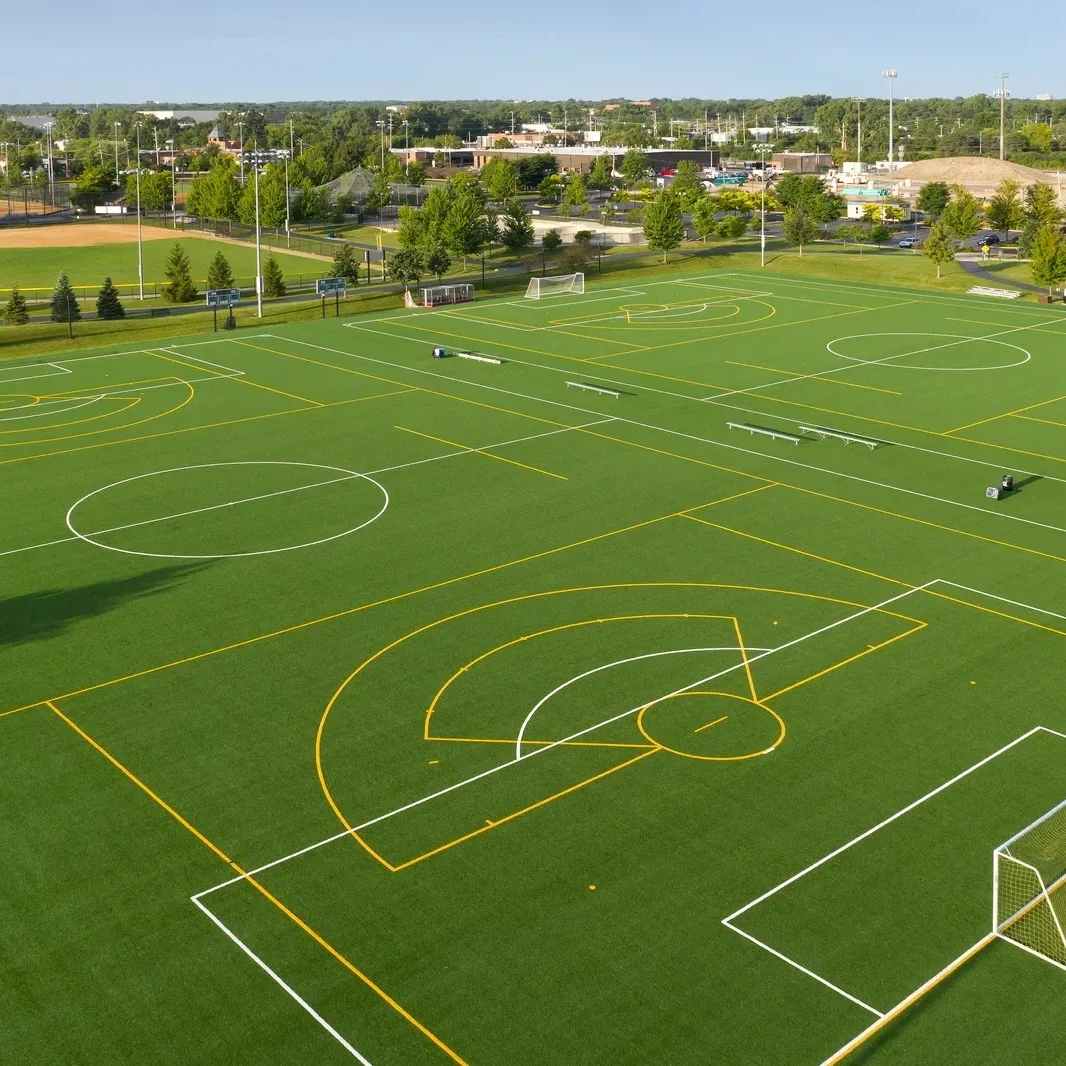
A thoughtful layout can turn a simple outdoor area into a year-round community magnet, while a rushed one ends up half-used and full of conflict.
Start With Purpose, Not Just Space
A multi-use recreational area isn’t just a collection of courts and fields—it’s a shared space that juggles priorities. The goal isn’t to cram as much equipment as possible onto a slab of pavement. The goal is to create a place where different age groups, interests, and activities overlap without stepping on each other’s toes.
Design begins with intention. Who’s going to use the space? Is it for competitive sports, casual games, fitness classes, community events, or all of the above? Understanding the balance of use helps dictate everything from surfacing materials to seating layout.
Professionals use construction, surfacing & design trends to guide those early decisions. A thoughtful layout can turn a simple outdoor area into a year-round community magnet, while a rushed one ends up half-used and full of conflict.
Segment Zones Without Cutting Off Flow
One of the biggest mistakes in multi-use areas is trying to serve everyone in one unbroken space. Basketballs flying through yoga sessions or soccer drills encroaching on walking paths create frustration and reduce repeat use.
Professionals segment space using visual cues, surfacing changes, and smart landscaping. That doesn’t mean walls everywhere—it means subtle divisions that cue users where each activity belongs. A color shift in the pavement, a slight grade change, or a low planter can guide movement while keeping everything connected.
Flow matters. People should move naturally between zones without hopping fences or dodging flying dodgeballs. The layout should invite movement rather than demand constant navigation.
Use Surfacing That Can Take A Beating
When one area hosts everything from toddlers with scooters to adult kickball leagues, the surface needs to pull double duty. Or triple. Or quadruple. Multi-use doesn’t work without materials that hold up under pressure, weather, and wildly different footwear.
Professionals lean on surfacing systems that balance durability, comfort, and grip. Modular tiles with shock-absorbing underlayers, cushioned acrylic coatings, or synthetic turf hybrids all have their place depending on the intended use. The trick is choosing systems that resist fading, cracking, and puddling—even under high traffic.
And if one section’s hosting high-impact sports like basketball or pickleball, it gets its own specialized treatment. Long-term planning means less resurfacing, fewer repairs, and a smoother experience across the board.
Build In Flexibility For The Unexpected
A smart recreational layout has room to evolve. The local pickleball league triples in size. Yoga may become the next neighborhood obsession. Or a community movie night needs a place to set up a screen and food trucks.
Professionals build that flexibility into the design. Open zones can be marked with temporary lines or portable equipment. Lighting systems can be zoned and controlled independently. Storage spaces can double as shaded seating. The more a space can transform without reconstruction, the higher its return on investment.
Multi-use means multi-purpose, not multi-problem. Thoughtful layout choices prevent future programming and user demand from becoming logistical nightmares.
Lighting Is The Unsung Hero
People love evening workouts, after-dinner matches, and shaded summer play—but without lighting, the space goes dark when the sun clocks out. Lighting design is one of the most overlooked aspects in recreational construction, and yet it has one of the biggest impacts on long-term use.
Professionals use LED systems that offer consistent coverage, low energy consumption, and long lifespans. Placement matters too—fixtures mounted at the wrong height or angle create shadows and glare that disrupt play.
Smart lighting plans also factor in security, safety, and zoning. Courts don’t need the same light level as pathways or playgrounds. Zoning creates ambiance and usability without lighting up the entire neighborhood like a stadium.
Don’t Forget About Seating And Shade
No one wants to stand on the edge of a hot surface while their kids play for two hours. Seating areas with access to shade, breeze, and sightlines are a must. And they shouldn’t feel like an afterthought.
Professionals design spectator zones alongside play areas, not outside them. That encourages longer visits and social engagement. Families come to stay, not just drop in. Shaded benches, pergolas, and bleachers with awnings—these features become daily favorites for regular users.
Good seating placement also protects landscaping and walking routes. When benches are missing, people make their own rest zones—often in inconvenient or damaging spots. Comfort encourages respect for the space.
Incorporate Storage Without Sacrificing Aesthetics
Multi-use means multi-gear. Basketballs, nets, yoga mats, soccer cones, and folding chairs all need a home when not in action. Leaving equipment out exposes it to the elements, theft, and premature wear. Hauling it from a distant shed every day gets old fast.
Professionals include integrated storage solutions that blend into the design. Benches with built-in compartments, discreet storage sheds with matching finishes, or recessed lockers near courts make transitions smoother. They also reduce visual clutter, helping the space stay polished even during busy hours.
Easy access to gear increases use. If the equipment is five feet away instead of fifty, more people will jump in and play.
Plan For Sound, Not Just Sightlines
A court full of energy is a good thing—until it competes with a quiet tai chi class ten feet away. Sound planning in multi-use areas prevents noise bleed between zones and keeps everyone from glaring over imaginary lines.
Professionals design with acoustics in mind. Buffer zones, green walls, sound-dampening fencing, and strategic orientation all help reduce overlapping noise. Courts go on the edges, quieter activities in the middle. That layout lets intensity live on the perimeter while serenity stays protected inside.
In high-traffic areas, materials matter too. Hard reflective surfaces bounce sound like racquetballs, while textured coatings and natural landscaping absorb and soften the energy.
Accessibility Adds Value For Everyone
Recreational spaces that work well welcome everyone. Accessibility isn’t just a checkbox—it’s a long-term asset. From ADA-compliant pathways and ramps to color contrast striping and multi-height equipment, inclusive design pays dividends in use and satisfaction.
Professionals take accessibility seriously from day one. Routes are flat, surfaces are slip-resistant, and entry points don’t require heroics. Play areas feature amenities for seated and ambulatory users alike, and restrooms or hydration stations are placed where all users can reach them easily.
An accessible layout becomes a trusted gathering space rather than a point of frustration. And in communities where diversity of age, mobility, and background is growing, inclusive design becomes a competitive advantage.
Blend Recreation With Aesthetic Appeal
Utility matters, but so does appearance. People spend more time in spaces that feel cared for. A recreational area that blends color, texture, symmetry, and flow invites return visits—and helps build pride in shared community assets.
Professionals lean into color coordination, cohesive hardscape design, and landscaping that doubles as wayfinding or windbreaks. Native plants, curved paths, and accent lighting add personality to a court or field that could otherwise feel sterile.
Multi-use doesn’t mean industrial. It means intentional. It means a well-built court can sit beside a garden without looking out of place. And it means every design choice reinforces the idea that recreation belongs in beautiful spaces, too.
Make Maintenance Part Of The Plan
No matter how well it’s built, a recreational area needs care. That care becomes easier—and less expensive—when maintenance is baked into the design. Without planning, upkeep becomes reactive. With planning, it becomes routine.
Professionals use surfacing that’s easy to clean and UV-resistant. Drainage systems are built to prevent water pooling. Fixtures are installed with replacement in mind. Zones are placed to reduce turf wear and minimize user shortcuts through landscaping.
The result? Less money spent on surprise repairs and more money available for enhancements. Maintenance-friendly design extends the life of the entire space and keeps it looking fresh for years.
Good Design Keeps People Coming Back
At the end of the day, a recreational area only works if people want to use it. When it’s laid out thoughtfully, surfaced correctly, and built with real-world use in mind, it becomes part of the community rhythm. Families schedule weekends around it. Fitness groups adopt it. Kids grow up with it.
Professional design transforms multi-use areas from one-size-fits-all into one-space-fits-most. Construction, surfacing & design trends support that mission by delivering smarter materials, better layouts, and long-term value.
It’s not about building the biggest space. It’s about building the right space—for right now and for whatever the future throws its way.
CourtMaster Sports, Inc. offers a complete, one-stop solution for professional new court construction in pickleball courts, tennis courts, bocce courts, and basketball courts. Our licensed team services residential, commercial, and municipal court systems with a focus on quality construction, efficient coordination, and long-term performance. Start your court construction project today and get a professionally built surface you can trust.