
Why DIY Court Projects Often Cost More in the Long Run
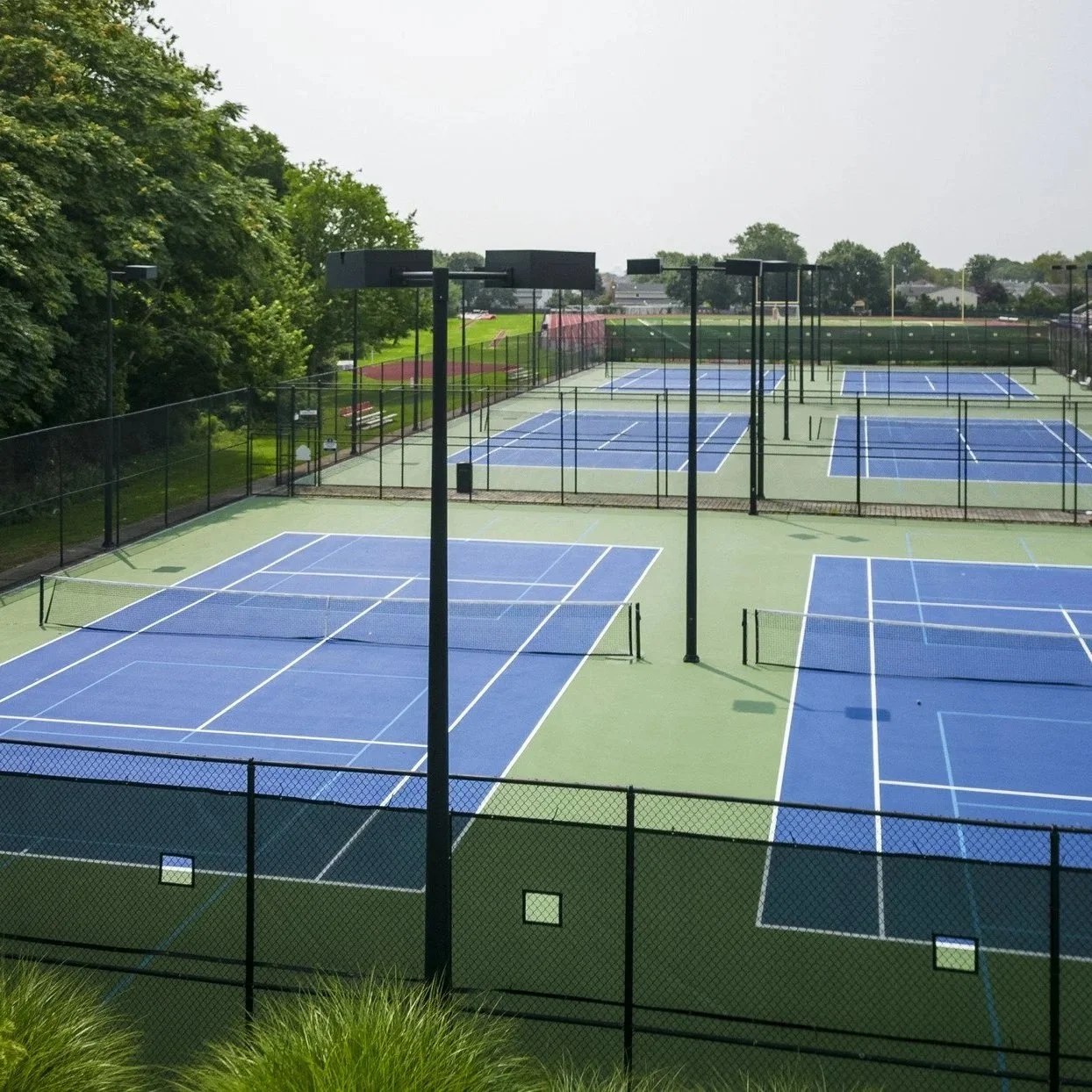
That initial low-cost appeal tends to fade when compared with the long-term return on investment offered by professional court construction.
The Illusion Of Saving Money
It usually starts with an ambitious plan, a few online tutorials, and a trunk full of hardware store materials. The idea? Build a home tennis court, pickleball pad, or backyard basketball setup without calling in the professionals. After all, how hard could it be to pour some concrete and slap on a few lines?
Spoiler alert: it’s harder than it looks. And more expensive. While DIY court projects might seem like a money-saving shortcut at first glance, the truth comes out in the long run—usually in the form of unexpected repairs, early surface failures, poor playability, and resale regrets. That initial low-cost appeal tends to fade when compared with the long-term return on investment offered by professional court construction.
Hidden Costs Lurking Beneath The Surface
One of the biggest traps in DIY court construction is underestimating what’s going on below the court surface. It’s not just a flat patch of pavement. A playable and durable court starts with precise grading, soil stabilization, moisture barriers, and a compacted sub-base.
Miss a step and the problems begin to stack up. Cracks from soil movement, surface pooling after rain, and unlevel playing areas turn a backyard dream into an expensive headache. Fixing foundational mistakes after the concrete has cured usually costs more than doing it right the first time.
Professionals plan the base with laser levels, soil compaction testing, and site-specific engineering. It’s not guesswork—it’s science that’s been perfected over hundreds of installations. And those small calculations make a major difference in long-term durability.
Materials That Don't Play Nice Together
Surface material is another place where DIY shortcuts tend to backfire. Using leftover concrete mix or mismatched surfacing materials might seem clever in the moment, but without industry-grade coatings and proper application techniques, the results usually underwhelm.
Professionally installed courts use specialized surfacing systems—UV-stable, weather-resistant, and sport-specific. They offer shock absorption, traction, and consistent ball bounce. Homebrew surfaces? Not so much. Even if they look fine in week one, they often start flaking, fading, and cracking within a season or two.
Trying to repaint or patch over the problems doesn’t fix the root issues. In the long run, that means more money down the drain and more hours spent trying to salvage something that was never built to last.
Drainage Problems Are Expensive Problems
Water has a sneaky way of destroying courts from the edges inward. DIY builders often overlook drainage or rely on basic slope estimates. Unfortunately, puddles don’t care about optimism—they form where they want, and they love poorly graded surfaces.
Standing water accelerates surface breakdown, invites algae growth, and makes courts slick and dangerous. Worse, trapped moisture beneath the surface can freeze and expand in colder climates, leading to major cracking and heaving.
Professionals design courts with integrated drainage solutions, channel systems, and site-specific grading to move water out and away fast. It's a detail that rarely gets mentioned in DIY videos, but it's one of the most critical parts of long-term court performance.
Mistakes That Don’t Show Up Until Later
Some problems don’t appear for months or years. That’s part of what makes DIY courts deceptively expensive. Things may look fine after the paint dries, but small mistakes compound over time.
Improper joint spacing leads to surface cracks. Misaligned net post footings cause constant tension issues. Low-grade fencing begins to sag or collapse. Lighting that wasn’t wired for weather starts flickering or failing. These delayed issues aren’t just annoying—they're costly to repair.
Professionally installed courts are built for long-term performance. That includes joint spacing based on expansion rates, rustproof components, and code-compliant lighting and electrical systems. It’s not about overbuilding—it’s about building smart with future repairs in mind.
Time Is Money—Even In The Backyard
DIY court projects aren’t weekend jobs. They stretch into weeks or even months, depending on experience and equipment access. That means lost weekends, borrowed tools, frustrating setbacks, and often compromises that chip away at quality.
Professionals bring efficiency. They’ve done this before. They show up with the right crew, the right tools, and a schedule that actually works. Instead of dragging out over a season, the court gets done in a fraction of the time with no quality corners cut.
That time savings translates to value. Instead of troubleshooting cracks or addressing drainage issues, homeowners and property managers spend their time in court rather than building or repairing.
The Playability Factor
There’s a reason pro athletes don’t train on DIY courts. The way a ball bounces, the way feet grip, and the way a court responds to fast movement all come down to precision construction. Without it, games feel off. And when games feel off, courts don’t get used.
Professionals build courts to meet sport-specific playability standards. Whether it's a cushioned acrylic tennis surface or a modular tile system for pickleball, the right materials applied with the right technique create an experience people actually want to repeat.
A DIY court might look okay on Instagram, but if it’s jarring to play on or delivers inconsistent ball bounce, it slowly becomes a decorative slab instead of a useful space. Professional-quality products encourage regular use, making the investment worthwhile over time.
Safety Isn't A DIY Project
There’s nothing lighthearted about injuries. Uneven surfaces, poor drainage, loose fencing, and low-quality lighting create hazards—especially for kids and older adults. DIY courts often skip professional safety features because they’re hidden behind technical specs or buried in building codes.
Professionally installed courts incorporate slip-resistant coatings, properly designed slopes, tempered fencing systems, and shock-absorbing layers when appropriate. Every element is chosen with safety in mind. It’s not about avoiding lawsuits—it’s about making courts that are genuinely safe to enjoy.
Peace of mind comes built in when the court is handled by people who build courts for schools, parks, and athletic facilities. That same expertise translates beautifully to residential and commercial settings.
Resale Regrets Are Real
Nothing kills curb appeal like a cracked or neglected DIY court in the backyard. What started as a fun project can quickly become a resale liability. Potential buyers see repair bills, resurfacing requirements, or, worse, a teardown project.
Professionally installed courts boost property value. They demonstrate quality craftsmanship, long-term thinking, and pride in outdoor living. They also come with service records, build documentation, and (often) transferable warranties.
When a buyer sees a well-built, functional court, they imagine hosting tournaments or teaching their kids to play. When they see a DIY slab with spray paint lines and uneven surfacing, they imagine dollar signs flying out of their wallets.
Planning For Value, Not Just Completion
Professional court builders start with purpose-driven planning. They ask questions that DIYers often don’t consider: How will shade affect usage? What’s the best orientation for sun angles? Can lighting be added later without trenching the entire yard?
That level of planning avoids costly re-dos and last-minute compromises. It also future-proofs the space. Courts built by pros are easier to upgrade, expand, and maintain because the underlying systems were installed with longevity in mind.
DIYers often learn these lessons the hard way—after the money’s been spent, the surface has failed, and the tools have gone back to the garage.
Long-Term ROI Means Thinking Like A Pro
In the end, the court that costs less today isn’t always the one that delivers the best value tomorrow. Professional installation includes more than materials and labor—it includes foresight, engineering, and decades of combined experience. That foundation delivers long-term ROI through reliability, usability, and property appeal.
Shortcuts cost more in the long run, not just in dollars but in frustration, time, and missed opportunities for fun. A professionally installed court isn’t just a finished project—it’s a functional, beautiful space that keeps delivering year after year. That’s the kind of investment that pays off in every bounce, serve, and victory dance.
CourtMaster Sports, Inc. offers a complete, one-stop solution for professional sports court construction in Southern California and Southern Nevada, including tennis courts, pickleball courts, basketball courts, and bocce courts. Our Laykold-certified team services sports court systems with a focus on precision construction, superior playability, and long-term performance. Design your custom court today and get a high-performance surface built to last.