
The Long-Term Value of Investing in a Professionally Installed Court
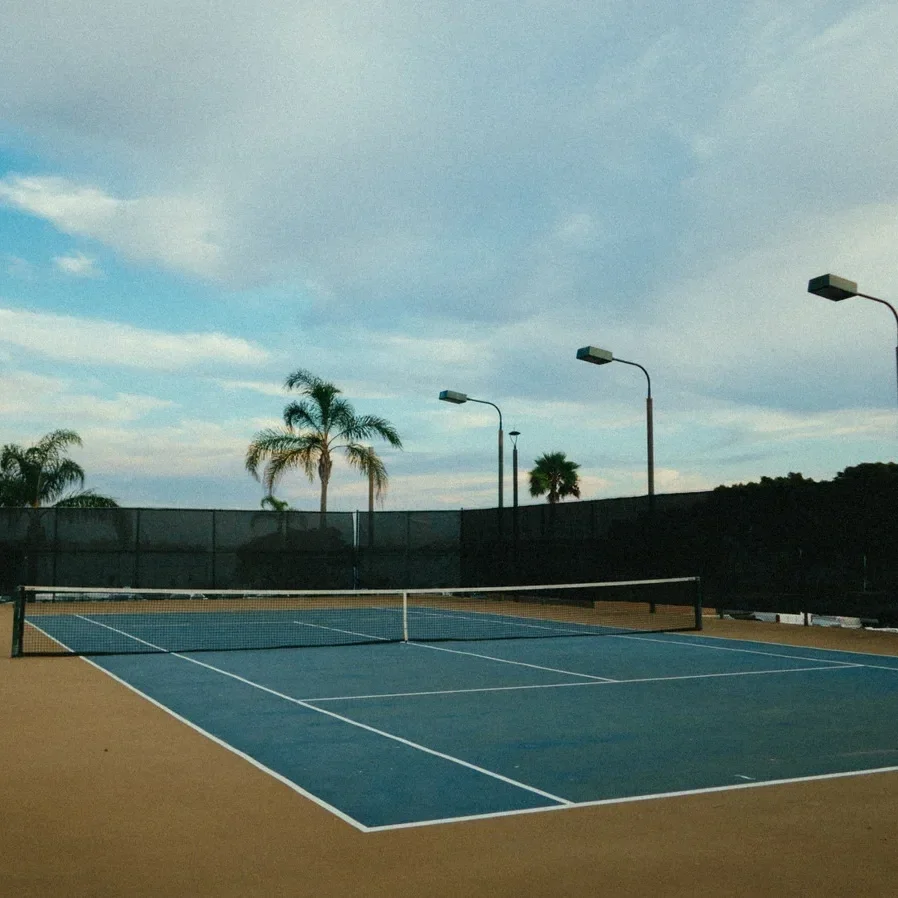
Whether the plan involves a backyard pickleball court, a multi-use athletic court, or a regulation tennis court, thoughtful planning at the start often pays off exponentially down the line.
Planning Beyond the Paint Lines
Building an outdoor court isn't just about pouring concrete and painting some lines—it's a long-term investment in functionality, durability, and property value. Whether the plan involves a backyard pickleball court, a multi-use athletic court, or a regulation tennis court, thoughtful planning at the start often pays off exponentially down the line.
Professionally installed courts start with strategic layout decisions. Access to utilities, proximity to structures, wind patterns, and drainage all affect how the court will perform and hold up over time. Professionals read the land like a blueprint, spotting future problems before they're etched into concrete. Proper grading and sub-base preparation reduce the risk of cracking and minimize standing water issues that could turn a quick rally into a slippery mess.
Material selection also plays a significant role. From post-tensioned concrete for minimal movement to premium acrylic surfacing that resists fading and abrasion, every component impacts the long-term outcome. While DIY might seem tempting on paper, there's a reason seasoned crews bring truckloads of precision, not just materials, to the job.
Quality Courts Deliver Measurable Returns
A well-built outdoor court doesn't just serve as a personal sports haven—it actually adds tangible value to the property. Homebuyers increasingly look for lifestyle-focused upgrades, and a professionally installed court checks all the boxes. It signals investment in outdoor living, active recreation, and long-lasting infrastructure.
Unlike some backyard projects that have a short shelf life, a pro-installed court offers a strong ROI thanks to its permanence and utility. It isn't seasonal or trend-dependent. Courts can be used year-round (depending on location), enjoyed by all ages, and require very little space to provide maximum fun per square foot.
For commercial applications—schools, resorts, apartment complexes, and HOAs—a court is an amenity that attracts long-term tenants or members. It's not just about fun and fitness; it's about standing out in a crowded market with a low-maintenance perk that rarely loses its appeal.
Cutting Corners Costs More Than You Think
A big part of long-term value lies in what's buried under the surface, not what's visible. A professionally installed court includes compacted sub-layers, vapor barriers, structural reinforcements, and precise leveling. Skipping steps to save on initial cost can lead to expensive repairs when the court starts cracking, puddling, or settling unevenly.
Drainage is another area where professional installation makes a noticeable difference. Standing water accelerates surface wear and invites algae, which makes courts slick and unsightly. Pros design drainage to move water away quickly, keeping the court playable after rain and extending surface life.
Over time, the true cost of a DIY or poorly constructed court creeps in through resurfacing, patching, water damage, and frustration. Professional builds offer predictability. They come with warranties, construction documentation, and a team available for resurfacing and future expansions.
Customization With Purpose
Professionals don't just build courts—they craft environments tailored to specific goals. Whether the dream involves a championship-ready tennis setup or a hybrid court that can handle basketball, volleyball, and pickleball, the layout, surfacing, and accessory choices matter.
Court orientation often gets overlooked in DIY efforts. Professionals position courts to reduce glare, minimize wind interference, and maximize usable light. Fencing, net systems, lighting, and surface color all feed into how enjoyable and usable the space becomes.
Even small touches like logo stenciling, court striping options, and sport-specific surfacing can turn a generic space into a polished centerpiece. That attention to detail doesn't just elevate playability—it reinforces long-term value by giving the space identity and purpose.
Longevity Starts With The Right Surface
Choosing the right court surface isn't just about how it looks—it's about how it wears—a quality installation factors in climate, frequency of use, and sport-specific demands. Acrylic coatings, cushioned layers, and UV-resistant pigments can extend a surface's lifespan by years, reducing maintenance and improving player comfort.
Professionals know how to match the right system to the right site. In high-use areas, modular tile systems or reinforced concrete may win out. In residential spaces, cushioned acrylic might strike the perfect balance of durability and forgiveness. The key is installation precision—something that truly separates pro jobs from weekend projects.
Routine resurfacing, cleaning, and crack repair become manageable tasks with a professionally installed base. It's like owning a vehicle that was correctly aligned from day one. The ride stays smooth a lot longer.
Maintenance-Friendly From The Start
Pro installers think ahead. They plan for irrigation overspray, leaf debris, and even how the court can be accessed for future service. That foresight makes maintenance easier and less frequent. You won't find them building a tennis court under a row of sap-dropping pines or installing lights that can't be reached without scaffolding.
Professionally built courts are designed for sustainability. They allow for easy surface cleaning, predictable wear patterns, and clear repair timelines. That clarity helps owners budget and plan for touch-ups rather than face sudden, expensive surprises.
And when maintenance time rolls around? The same crew that built the court usually offers inspection and service packages. It's hard to beat having the original experts just a phone call away when it's time for a refresh.
Safety Isn't Optional—It's Engineered In
From the first post anchor to the final surface sweep, professional court builders prioritize safety. They use regulation-compliant materials, certified installers, and trusted engineering principles to create courts that play safe, not just look good.
Slip resistance, court bounce, net tensioning, fence height, and lighting specs all contribute to injury prevention. Pro installers measure and test as they go. They're not just checking boxes—they're protecting players of all ages and skill levels.
That matters in backyard courts where kids may fall while learning or in facilities where insurance liability hangs in the balance of safety compliance. Professional builders reduce that risk because nothing is left to guesswork.
A Legacy Of Use, Not Regret
The real payoff of a professionally installed court isn't just financial—it's experiential. It becomes part of the everyday rhythm: early-morning singles matches, family game nights under the lights, or impromptu pick-up games with the neighbors. It's not just a slab of concrete—it's a venue for memory-making.
Professionally built courts carry that legacy. They invite regular use because they look inviting, play true, and hold up under pressure. They become part of the property's identity, whether it's a private estate or a community park.
Over time, the up-front cost becomes almost irrelevant. The real return shows up in play hours, maintenance savings, resale appeal, and pride in knowing the job was done right the first time. Investing in professional court installation is one of those rare moves that pays off with every bounce, serve, and laugh it supports.
Planning With Value In Mind
Smart investments start with smart planning. Professional installers don't just think about how a court will look next week—they think about how it will perform a decade from now. That's where the true value hides: in small, invisible decisions that prevent costly problems later.
They use laser levels, soil compaction tools, and sport-specific blueprints. They factor in sun angles, wind drift, and spectator seating. They offer guidance on court lighting, surfacing systems, and even adjacent landscaping.
When it all comes together, the result is more than a finished court. It's a functional, beautiful, low-maintenance feature with built-in value and a long lifespan. No regrets. No shortcuts. Just a quality space ready for a long, active future.
CourtMaster Sports, Inc. offers a complete, one-stop solution for professional new court construction in Southern California and Southern Nevada, including pickleball courts, tennis courts, bocce courts, and basketball courts, and ongoing project management. Our licensed team services residential, commercial, and municipal court systems with a focus on quality construction, efficient coordination, and long-term performance. Whether you need a new residential court or a full-scale municipal installation, we provide active California and Nevada licenses and proven industry expertise. Start your court construction project today and get a professionally built surface you can trust.