
What to Know Before Replacing an Aging Tennis or Basketball Court
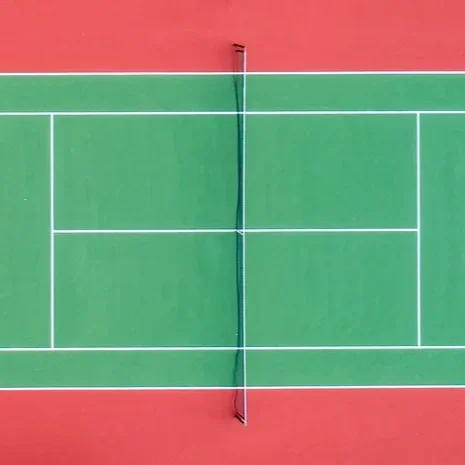
Replacing an aging court is a substantial investment, but it also allows upgrading the space and elevating the overall appeal of the community.
Community amenities like tennis and basketball courts are crucial to creating a vibrant and active neighborhood. However, over time, wear takes a toll on these surfaces, and the courts may no longer be safe or functional. Replacing an aging court is a substantial investment, but it also allows upgrading the space and elevating the overall appeal of the community. Before diving into a court replacement project, there are a few key factors to consider so the process goes smoothly and the results are satisfying.
Assessing the Condition of the Current Court
The first step in replacing a tennis or basketball court is to assess the existing condition of the surface. Cracks, discoloration, or a worn-out texture can all signal that it’s time for an upgrade. However, the severity of damage may vary, and a professional evaluation can help decide if a simple resurfacing or a complete replacement is necessary. Often, courts that appear in poor condition may only require resurfacing, a more cost-effective option that can bring the court back to life. A professional contractor will inspect the surface and subbase, checking for issues like drainage problems or structural damage that might warrant a complete overhaul.
Understanding the Different Surface Options
When it comes to replacing a court, the type of surface you choose will have a significant impact on both performance and maintenance. Tennis courts and basketball courts require different surface types to cater to the specific needs of each sport.
For tennis courts, the most common surface options are asphalt, concrete, or cushioned surfaces like acrylic or synthetic turf. Asphalt and concrete are durable choices, but they can be hard on the body during long matches. Cushioning materials provide added comfort and help reduce stress on joints.
Basketball courts, on the other hand, often use outdoor acrylic, polyurethane, or rubberized surfaces. These materials provide excellent traction and comfort, which are crucial for the fast movements of basketball. A surface that offers good shock absorption will not only protect athletes from injury but also enhance the overall playing experience.
It’s essential to consider factors like climate, usage frequency, and maintenance requirements when selecting the surface for a new court. In areas with extreme weather conditions, materials like acrylic may be more prone to damage from freezing temperatures. At the same time, other options like rubberized surfaces are known for their resilience in harsher environments.
Budgeting for the Project
Replacing a tennis or basketball court involves more than just the cost of materials. The entire project requires a comprehensive budget that includes labor, materials, potential site preparation, and even ongoing maintenance costs. Factors such as the size of the court, the complexity of the installation, and any necessary site modifications can all impact the final price.
It’s important to account for hidden costs, such as drainage improvements, lighting installation, or the addition of surrounding amenities like fences or seating. Be sure to set aside funds for future upkeep, as courts require periodic maintenance to remain safe and functional. Investing in higher-quality materials and professional installation may have a higher upfront cost. Still, it can pay off in the long run by extending the lifespan of the court and reducing the need for frequent repairs.
Designing the Court for Optimal Use
When replacing an aging court, it’s an excellent opportunity to reimagine the space and cater to the needs of the community. Many courts can be designed for multi-sport use, allowing the court to serve not just tennis or basketball players but also other sports like pickleball. Multi-use courts are a popular trend in community spaces, especially in areas where there may not be enough demand for single-use courts. Marking a tennis court for pickleball or adding basketball hoop adjustments for various age groups can make the court more versatile and enjoyable for everyone.
Additionally, it’s important to think about the court’s location within the community. If the current court is in a poorly lit or difficult-to-reach area, relocating the new court to a more accessible or visible location may increase its usage. Consider adding features like shaded seating areas, landscaping, or even picnic zones to create a more inviting environment for both players and spectators.
Prioritizing Safety Features
Safety should always be a priority when designing a new court. The surface should be smooth, level, and free of any obstructions that could cause trips or falls. Proper drainage is another vital factor in preventing water accumulation on the court, which can make it slippery and unsafe.
In addition to the court surface, protective fencing is essential for keeping the ball in play and reducing the risk of accidents. Whether it’s a tennis net, basketball hoop, or even a backboard, all equipment should be appropriately installed to withstand the intensity of play.
Another important safety consideration is the lighting system. If your community plans to use the court during evening hours, investing in quality, well-placed lighting is crucial for player safety. Good lighting not only makes the court safer but also makes it more inviting and functional for evening activities.
Maintaining the Court After Installation
Once the court has been replaced, regular maintenance will keep it in top condition. Resurfacing is a necessary part of keeping the surface safe and smooth, as over time, weather conditions and frequent use can cause the court to degrade. Regular cleaning, crack sealing, and reapplication of protective coatings can prolong the life of the court and keep it looking great.
For communities with heavy court usage, creating a maintenance schedule will help track necessary repairs or upgrades. Many companies offer maintenance packages that can include periodic checks and surface treatments to maintain the court’s performance and safety.
Community Involvement
As with any significant project in a community setting, it’s crucial to involve the residents in the process. Gathering input from those who will use the court most often—whether through surveys or community meetings—can help guide decisions on the court’s design, surface material, and features. Not only will this ensure the final product meets the needs of the users, but it also helps foster a sense of ownership and pride within the community.
Conclusion
Replacing an aging tennis or basketball court is a significant project that needs careful planning, budgeting, and attention to detail. By considering factors like the condition of the current court, surface options, and the specific needs of the community, you can design a lasting and enjoyable space for residents to stay active and engaged. Investing in high-quality materials, proper design, and ongoing maintenance verifies the court will provide value and enjoyment for years to come, elevating both the functionality and aesthetic of the community.
CourtMaster Sports, Inc. offers a complete, one-stop solution for professional new court construction in Southern California and Southern Nevada, including pickleball courts, tennis courts, bocce courts, and basketball courts, and ongoing project management. Our licensed team services residential, commercial, and municipal court systems with a focus on quality construction, efficient coordination, and long-term performance. Whether you need a new residential court or a full-scale municipal installation, we provide active California and Nevada licenses and proven industry expertise. Start your court construction project today and get a professionally built surface you can trust.