
Best Tools and Techniques to Keep Recreational Courts in Top Shape
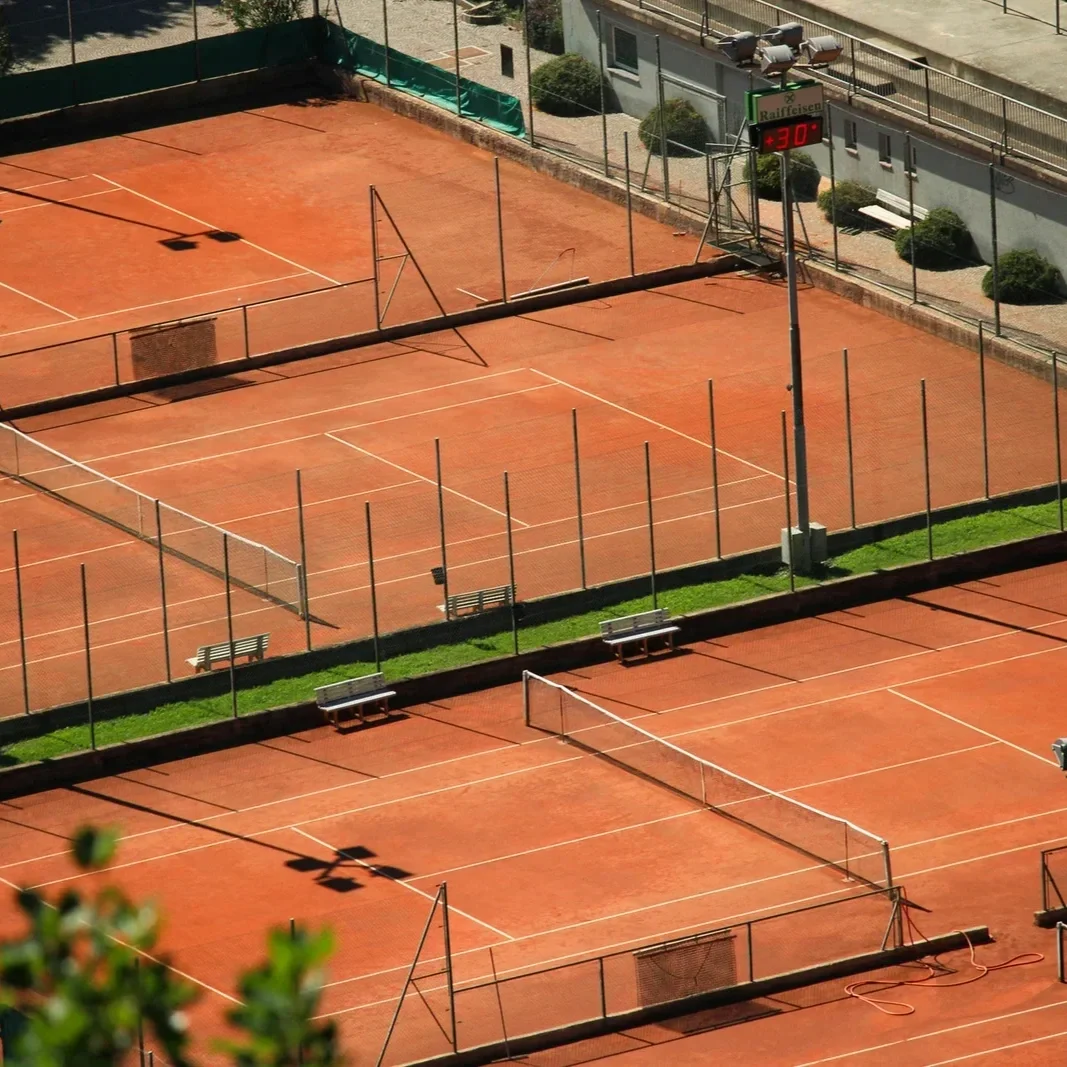
When professionals bring the right gear, the right timing, and the right knowledge, courts thrive across seasons, weather conditions, and player traffic.
Professional-Grade Sweepers Are Game Changers
A leaf blower might work in a pinch, but it won't do the job when it comes to maintaining the integrity of recreational court surfaces. Professional-grade sweepers—especially walk-behind models with rotating brushes—are the go-to tool for clearing debris without causing micro-damage. These machines collect leaves, dirt, grit, and even pollen, which can build up and create a slippery mess if left unchecked.
Tennis, pickleball, and basketball courts all benefit from routine sweeping. Without it, grit from foot traffic grinds into the surface, wearing down coatings and shortening the court's lifespan. Professionals rely on heavy-duty units with adjustable brush pressure that won't scuff or strip topcoats.
Squeegees And Water Removers Keep Courts Dry And Safe
Puddles do more than interrupt a game—they slowly ruin the court. Water seeps into cracks and weakens surface bonds. A high-quality court squeegee becomes a frontline defense after rain or morning dew. The best versions feature double-moss rubber blades that conform to acrylic surfaces and leave no streaks behind.
For larger facilities, water removers such as roll-dry systems help quickly remove standing water across wide areas. These tools are particularly important for courts that rely on friction for safe play. Excess moisture equals accidents, and slippery spots reduce both fun and function.
Professionally Designed Crack Repair Kits Actually Work
Courts crack. It's what they do over time, especially in areas with dramatic temperature swings. But how those cracks are treated matters. Temporary patches look decent for a few weeks, but they rarely hold through seasonal weather changes.
Professionals use crack repair systems with acrylic-based fillers, backer rods, and bonding primers that accommodate surface movement. The goal isn't just to fill the crack—it's to reestablish structural integrity and surface uniformity. A court with proper crack repair looks better and plays smoother, without jarring surface transitions or loose material underfoot.
Surface Cleaners Made For Sports Aren't Just Fancy Soap
Cleaning court surfaces with standard cleaning products can strip coatings, leave slippery residues, or damage surface texture. Specialty cleaners made specifically for acrylic, modular, or synthetic turf surfaces help remove biological growth (think mold and mildew) while preserving grip and color.
Professionals apply these cleaners with low-pressure sprayers or foam cannons and follow up with court-safe rotary scrubbers. A little bit of chemistry goes a long way in preventing staining, material breakdown, and unwanted slip hazards. Tennis court surfaces and basketball tiles each have their own quirks, so choosing the correct cleaner isn't guesswork—it's science with a sports twist.
Line Striping Machines Keep Courts Sharp
Nothing makes a court look neglected faster than faded, crooked, or peeling lines. Whether it's the baseline of a pickleball court or the free-throw arc on a basketball court, lines need precision. Professional striping machines use high-pressure paint application with laser guides or straight-edge attachments to keep everything crisp.
The paint itself matters, too. Fast-drying, UV-resistant, and acrylic-compatible paints stick better and hold their color longer. Professionals often re-line annually and touch up between seasons. A perfectly lined court doesn't just look good—it plays better and keeps athletes focused on the game instead of the flaws underfoot.
Synthetic Turf Groomers Revive Court Bounce
For bocce or multi-use turf courts, compaction is the enemy of play quality. When turf fibers mat down, or infill gets displaced, bounce and ball roll suffer. Court groomers—think of them as specialized turf rakes—fluff the fibers, redistribute infill, and restore the surface's natural responsiveness.
Regular grooming schedules prevent low spots, drainage issues, and mold buildup under the surface. The result is consistent ball behavior, safer footing, and extended surface lifespan. Professionals combine grooming with turf decompaction and surface brushing to restore synthetic courts after heavy use.
Pressure Washing Isn't Always the Hero
It might be tempting to blast a dirty court with a high-powered pressure washer, but most outdoor court surfaces don't withstand that kind of force. Pressure washing can strip coatings, erode paint, and push water into vulnerable seams or sublayers. When used, it needs to be dialed way down and handled by pros who understand what's safe to spray—and what's better cleaned by other methods.
Instead, surface-safe rinsing systems with adjustable PSI and wide spray nozzles offer a better solution for deep cleaning. Combine them with court-friendly detergents and a soft-bristle rotary brush for the best results. Professionals know when to wash and when to walk away from pressure altogether.
Court Rollers Are More Than Just for Paint Jobs
You've probably seen court rollers laying down new paint layers, but they're also critical tools for surface compaction and leveling. On freshly resurfaced courts, heavy rollers help smooth acrylic coatings or modular interlocks, securing a consistent feel and performance. Even turf courts benefit from periodic rolling to maintain flatness.
Some rollers come heated to aid in coating curing. Others feature vibration mechanisms to help settle surface treatments. Professionals use them in short passes to avoid surface blistering or overlap marks, giving each court a flawless finish worth bragging about.
Net And Post Maintenance Doesn't Take A Backseat
Net systems might not touch the playing surface, but they play a huge role in daily use and long-term maintenance. Loose, sagging, or rusted net systems make courts look rundown and can lead to injury or damage during regular play.
Professionals inspect net tension, anchor integrity, and post straightness on a scheduled basis. Hardware is lubricated, tension straps are replaced, and net cords are inspected for fraying. Basketball goal posts, pickleball nets, and tennis net anchors each have their own quirks, and each needs love to match the court it lives on.
Drainage Tools And Gutter Cleaning Keep Water Where It Belongs
Poor drainage will age a court faster than almost any other factor. Debris-filled gutters and clogged perimeter drains allow water to sit where it shouldn't. Over time, moisture collects under coatings, leading to surface bubbles, warping, and breakdown.
Pros use long-handle gutter scoops, drain augers, and trench brooms to keep those edges clear. Surface-level squeegee systems, combined with French drains, help efficiently guide water off the court, especially after heavy rain. Drainage upgrades might not be glamorous, but they play the long game better than any other maintenance task.
Paint Retouch Kits For Mid-Season Court Spruce-Ups
Paint chips, fade spots, and wear areas don't wait for annual maintenance. Having professional-grade paint retouch kits on hand—mixed to match the original court color—helps address minor cosmetic flaws without a full resurface.
Court crews use mini rollers, detailing brushes, and spot-sealing tools to quickly refresh high-use areas. It's like a court's version of a spa day—just enough to freshen up without needing a complete overhaul. Mid-season touchups add visual polish and prevent cosmetic flaws from expanding into larger problems.
Maintenance Logs Keep It All On Track
All the fancy tools in the world won't help if nobody remembers what was done last month. Professionals keep digital or paper maintenance logs that track cleaning cycles, resurfacing dates, crack repairs, and more. These records help identify patterns, catch recurring issues early, and plan next steps before the court shows visible distress.
Logs also provide a valuable history when multiple crews work the same facility or when transitioning seasonal maintenance responsibilities. A well-kept record ensures consistency, reduces overlap, and increases the lifespan of every recreational court surface.
Cross-Surface Knowledge Keeps Crews Sharp
Every court surface has its own temperament. What works for a basketball court may completely fail on a bocce or tennis surface. Cross-surface maintenance expertise allows professional crews to apply the right tools and techniques where they belong, not just wherever they're convenient.
For example, modular tiles require snap checks and underlayer sweeps, while cushioned acrylic requires UV monitoring and friction testing. Turf needs infill checks and fiber grooming. One-size-fits-all doesn't apply in court maintenance, and a well-equipped crew knows how to adapt from surface to surface like seasoned chameleons in uniforms.
Maintenance And Lifespan Are Tools In Themselves
A well-maintained court doesn't just look good—it plays like a dream and sticks around longer than it otherwise would. Tools matter, but the techniques behind them matter more. Whether it's a squeegee in the right hands or a perfectly timed paint touchup, every tool supports the bigger goal: safer, smoother, longer-lasting play.
When professionals bring the right gear, the right timing, and the right knowledge, courts thrive across seasons, weather conditions, and player traffic. And that's how maintenance and lifespan go hand in hand—one sweep, scrub, and resurfacing at a time.
CourtMaster Sports, Inc. offers a complete, one-stop solution for professional new court construction in Southern California and Southern Nevada, including pickleball courts, tennis courts, bocce courts, and basketball courts, and ongoing project management. Our licensed team services residential, commercial, and municipal court systems with a focus on quality construction, efficient coordination, and long-term performance. Whether you need a new residential court or a full-scale municipal installation, we provide active California and Nevada licenses and proven industry expertise. Start your court construction project today and get a professionally built surface you can trust.