
How to Tell When Your Bocce Ball Court Needs Resurfacing
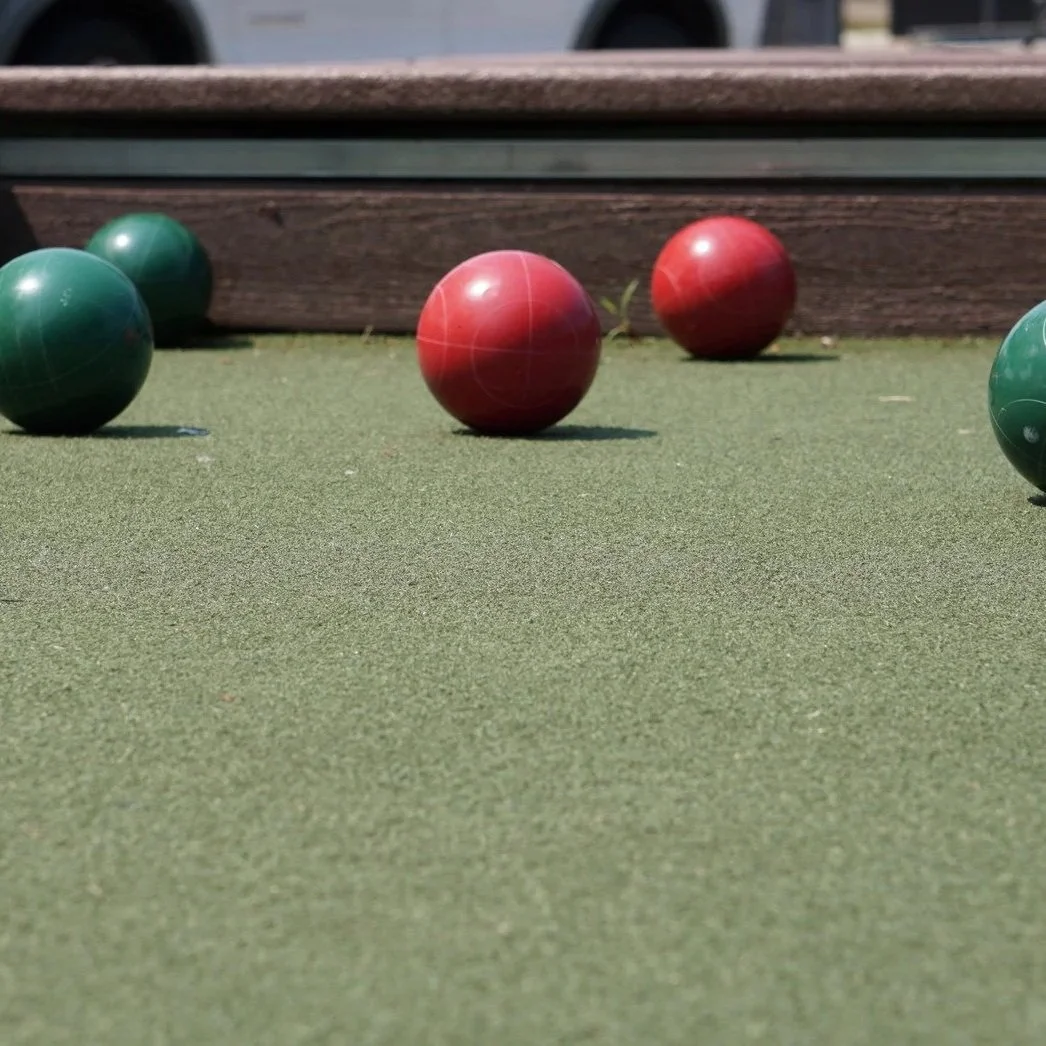
Professional resurfacing restores the flat, compacted layer needed for straight rolls and fair competition, using laser leveling tools and purpose-built aggregates.
Surface Doesn't Feel Level Anymore
Bocce is a game of finesse, and the court surface sets the tone for the entire experience. When the ground starts feeling like a rolling hillside instead of a smooth runway, it's time to reevaluate. Players notice it first when their perfectly lined toss suddenly veers off like it hit a ghost.
Uneven surfaces on a bocce court lead to unpredictable ball movement and frustrated players. It's usually caused by material settling, poor drainage, or simply years of casual stomping and gameplay. Professional resurfacing restores the flat, compacted layer needed for straight rolls and fair competition, using laser leveling tools and purpose-built aggregates.
Drainage Isn't Pulling Its Weight
Puddles on a bocce court aren't just inconvenient—they're an early warning sign. Water should move away from the surface quickly, not sit there contemplating its next move. Moisture that lingers invites algae, soft spots, and the gradual erosion of the playing layer.
A professional bocce court contractor will inspect slope, compactness, and sub-surface materials to correct standing water problems. Often, it means regrading the base layer, tightening the surface with specialized equipment, or incorporating drainage channels to improve the overall stability. Once the water has a proper exit strategy, your bocce court starts behaving like a professional-grade play zone again.
Dust Clouds Follow Every Toss
If every game kicks up a mini dust storm, the surface is probably too dry and too loose. Bocce ball courts need a compacted top layer that holds together well while still allowing the balls to roll true. Excessive dust signals a loss of structure, typically indicating that resurfacing is overdue.
Professionals can revive a surface using crushed oyster shell blends or decomposed granite, compacted with water and rolled until firm. No more watching bocce balls vanish into a puff of chalky air—just smooth, satisfying rolls every time.
Balls Bounce Or Jerk Instead Of Rolling
When a bocce ball starts bouncing like it's auditioning for a tennis match, there's a surface problem. A rough, pitted, or uneven court won't let the balls travel the way they're supposed to. Jagged spots and soft dips disrupt the game's flow and accuracy, making even experienced players appear to be tossing blindfolded.
Surface degradation happens slowly, but it becomes obvious during gameplay. Resurfacing restores a uniform texture, which is critical for a consistent ball roll. Pros achieve this using layers of compacted material and troweling techniques that deliver a finish as smooth as a competitive player's follow-through.
Vegetation Starts Invading The Edges
If you've spotted weeds growing along the border—or worse, creeping into the court—it's time to talk about resurfacing. Plants find their way into poorly compacted or cracked surfaces, especially after years of neglect. Roots compromise stability and disrupt the court's flatness.
Professional crews remove the invasive growth, reset the edging, and apply herbicide-safe materials that resist future intrusion. Once the perimeter is locked back into place and the surface reset, your bocce court returns to looking like a well-loved sports venue—not an overgrown garden path.
Cracks Are Starting To Appear
Whether your bocce court is made of concrete, clay, or a synthetic blend, visible cracking is always a sign of trouble. It's a signal that the surface has shifted, the sub-base may be unstable, or materials are breaking down from age or climate exposure. Left untreated, those cracks widen, allowing moisture to cause even more damage.
Resurfacing fills cracks, resets the sub-base, and lays down a fresh layer that not only looks better but functions properly. Professionals assess whether patching or full resurfacing is appropriate based on the depth and spread of the cracks. Either way, no one wants to chase a ball that disappears into a canyon mid-game.
Lines And Boundaries Are Fading Fast
A bocce court without visible boundaries is akin to a soccer field without goals. The game still happens, but everyone argues about where things should go. Fading lines and blurry foul zones disrupt play and cause disputes no one wants to referee.
Professionals repaint or re-install court lines using weather-resistant, UV-stable paint or inlaid markers, depending on the court's material. During resurfacing, they often recommend refreshing or replacing boundary boards that are warped. Clear markings mean smoother play and fewer debates about whether that last roll was legal or not.
It's Been More Than Five Years Since The Last Refresh
Even if the court doesn't show dramatic wear, most bocce court surfaces benefit from resurfacing every five to seven years. Wind erosion, foot traffic, seasonal moisture, and temperature swings all take their toll over time—even on well-built courts.
A professional inspection can determine if it's time for a refresh, whether that means light top-dressing and compaction or a complete resurface with fresh layers. Think of it like dental work for your playing field—it's preventative care that keeps things running smoothly and avoids major issues down the road.
Players Are Losing Interest
When bocce regulars start drifting toward other activities, it might not be their competitive spirit that's fading—it could be the court itself. Players notice the little things: a ball that doesn't roll true, a patchy surface, or footing that's too soft. Over time, those details affect the experience and make the game feel less fun.
Resurfacing gives players a court they're proud to use. It adds polish to public parks, residential communities, and club settings alike. When the surface is reliable, clean, and game-ready, players return with enthusiasm—and maybe a little friendly rivalry, too.
The Surface Color Is Fading Or Blotchy
If your bocce court was originally tinted for visual contrast and it now looks like a patchwork of sunburn and shadow, resurfacing should be on the to-do list. Color fading isn't just cosmetic—it signals UV damage and weathering that can compromise material integrity.
During resurfacing, professionals apply color-enhanced blends or sealants that refresh the tone and improve surface performance. A fresh finish makes the court more inviting and can even enhance visibility for those with aging eyes and evening matches under the lights.
The Court Doesn't Drain After Routine Maintenance
Routine watering or rolling shouldn't cause drainage issues. If water starts pooling more after maintenance than it did before, the surface might have compacted unevenly or lost its grading. That leads to slower drying, muddier play, and more frequent surface issues.
Professional resurfacing addresses grading, slope correction, and layering with the right materials. Whether it's crushed stone, granite, oyster shell, or synthetic turf, the system works best when all the elements cooperate. Resurfacing brings everything back into balance—no more surprise soggy zones after a light roll or rinse.
Resurfacing Isn't Just Repair—It's Performance Tuning
The idea behind resurfacing isn't just patching what's broken—it's about dialing in court performance for the best possible gameplay. From surface hardness to drainage rate, everything affects how the game feels. Professionals adjust materials and compaction levels to match local conditions and player preferences.
In many cases, resurfacing leads to upgrades such as perimeter lighting, improved sideboards, or even the integration of hybrid materials for all-season play. Once the surface gets refreshed, it opens the door for long-term improvements that elevate the court from functional to fantastic.
A Bocce Court Deserves Pro-Level Attention
A well-maintained bocce court is more than just a rectangle with gravel—it's a social hub, a training ground, and a subtle badge of honor for any property. When the surface starts giving off hints that it's seen better days, those signs are worth noticing.
Professional resurfacing services bring experience, precision tools, and material knowledge that go far beyond casual maintenance. They understand how to preserve game integrity, improve player satisfaction, and prevent long-term damage. Bocce may be a slow-paced game, but keeping the court in top shape takes timely action and expert hands.
CourtMaster Sports, Inc. offers a complete, one-stop solution for professional court resurfacing and repairs services in Southern California and Southern Nevada, including patching, color coating, leveling, and line striping. Our experienced team services sports court surfaces with a focus on precision workmanship, consistent playability, and long-term performance. Whether you need targeted surface repairs or a full court resurfacing project, we provide professional results and a commitment to customer satisfaction. Schedule your court resurfacing service today and get a smooth, expertly finished playing surface.