
How to Make Your Court Accessible for Players of All Abilities
Start With Smooth, Level Access
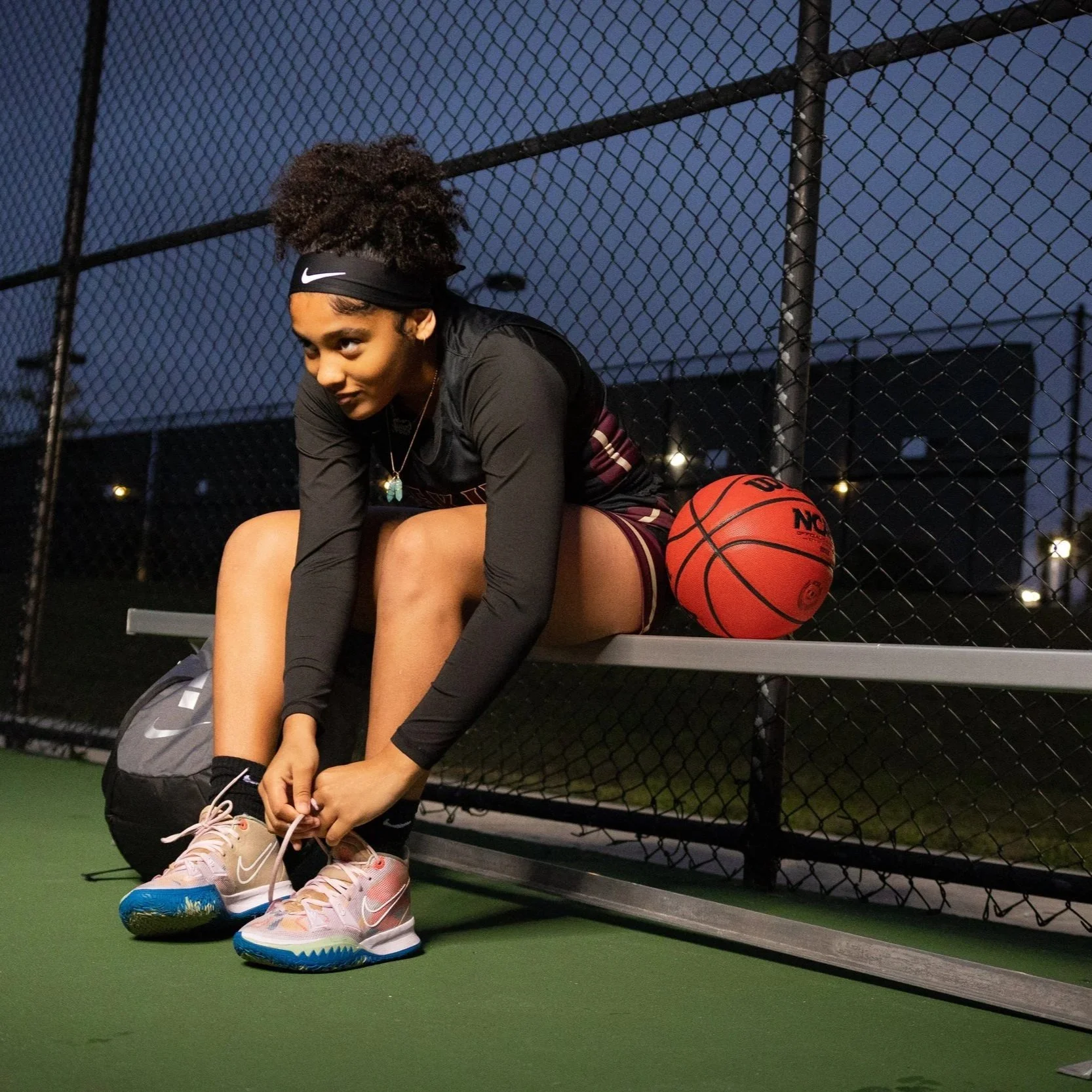
Professionally built inclusive courts support community engagement, increase programming options, and align with growing demand for equitable public spaces.
Courts only invite play when everyone feels safe and dignified reaching them. Gravel paths, steep curbs, or narrow entrances can turn a beautiful new court into an off-limits zone for those using mobility aids.
Professionals begin by evaluating approach routes. Paved walkways, gradual slopes, and curbless transitions create an environment that welcomes everyone, not just the nimble. Accessible routes should be at least 36 inches wide, with ample passing space and clear signage that guides users confidently toward the court.
Level transitions between surfaces matter just as much. A lip between a walkway and the court can be an unexpected barrier to someone using a wheelchair or walker. Tapered edges and flush entrances eliminate that friction, so the play begins the moment a user arrives.
Gate Width And Hardware Make A Difference
Most fencing systems come standard with gates designed around able-bodied access. For an inclusive court, those gates need to be rethought. Narrow openings and spring-loaded latches may stop a ball, but they can also stop a player.
Professionals recommend gate openings of at least 42 inches to accommodate mobility devices, adaptive strollers, or players carrying equipment. Lever-style handles or push-to-open mechanisms make things easier for users with limited grip strength. Clear sightlines into and out of the court help users understand whether the space is occupied, reducing awkward entry moments.
Thoughtful hardware choices create freedom, not frustration. Players shouldn't need a buddy just to open the gate.
Non-Slip, Non-Trip Surfaces Are Essential
A court's surface can be beautifully striped and freshly coated. Still, if it's slick or riddled with micro-cracks, it becomes a hazard—especially for users with visual impairments or reduced stability.
Professionals select materials with traction ratings that withstand both wet and dry conditions. Acrylic coatings can be textured without affecting ball bounce. Modular tile surfaces provide a good grip and excellent shock absorption. Wherever possible, edges are beveled and seams are sealed to reduce the risk of snagging mobility aids or causing stumbles.
Surface selection isn't just about performance. It's about creating an equal footing—literally—for everyone who steps on the court.
Court Dimensions Can Invite Or Deter
Standard court dimensions work for many players, but adaptive sports often benefit from modified layouts or extra buffer zones. A player using a sports wheelchair may need more space to maneuver safely. A coach running an inclusive class needs more space on the sideline to assist without blocking others.
Professionals adjust layouts where needed—either by increasing the overall pad size or by marking accessible zones that support modified play. For example, placing chairs outside the court but within reach helps seated spectators join in visually or assist players without blocking others.
Designing with adaptive sports in mind doesn't mean compromising function. It means making a court work for more people, most of the time.
Accessible Seating Welcomes More Than Just Players
Courts attract more than competitors. Friends, family, and community members gather to cheer, coach, or wait their turn. Accessible seating areas extend that welcome beyond the players.
Professionals integrate benches with adjacent wheelchair spaces, install shade structures that don't block sightlines, and keep rest areas level with the surrounding pavement. Instead of a single bench tucked behind a fence, a thoughtful design includes multiple options spread across viewing angles.
Everyone deserves a front-row seat to the action—especially those who usually get boxed out by uneven gravel or awkward placements.
Lighting Needs To Work For Everyone
Good lighting doesn't just extend court hours—it supports users who rely on visual clarity to navigate and play safely. Dim corners, patchy illumination, or harsh shadows can create barriers for players with low vision or challenges in depth perception.
Professionals install uniform LED lighting that minimizes glare and distributes light evenly across the playing surface and surrounding access zones. Shielded fixtures reduce visual discomfort and help players track balls without losing contrast. Motion-activated systems offer convenience without guesswork, and timers keep systems efficient without plunging players into darkness unexpectedly.
Lighting done well is like a silent coach—always supporting the game, never interfering.
Sound Design Affects Comfort And Clarity
Courts can be loud. Paddle pops, bouncing balls, and cheering players—all add up to a fun but potentially overwhelming environment. For players with sensory sensitivities or hearing differences, that soundscape needs to be adjusted.
Professionals use acoustic fencing, landscaped buffers, and directional court orientation to soften noise. Visual cues, such as flags, lights, or color-coded signals, support players who rely more on sight than sound to communicate. In inclusive programs, whistle tones or countdown timers with visible alerts can make gameplay more intuitive and accessible.
A quieter court doesn't mean a boring one. It just means more people feel comfortable stepping in and joining the fun.
Adaptive Equipment Storage Helps Programs Thrive
Inclusion often depends on access to the right gear. Adaptive paddles, sports wheelchairs, or oversized tennis balls don't always fit in standard equipment bins—or survive the weather.
Professionals build weatherproof storage near accessible entrances, with low-mounted hooks, wide shelves, and easy-to-operate latches. Organizing gear clearly helps coaches and players locate what they need quickly, thereby reducing setup time and increasing the time spent on the court.
Some parks even co-design storage with local adaptive sports organizations to support specific programs. When the gear is ready and accessible, players arrive.
Signage Can Do More Than Direct Traffic
Wayfinding helps everyone, but it's especially critical for visitors unfamiliar with a park or facility. Signage should guide, welcome, and educate—without cluttering the space.
Professionals design signs with large fonts, high-contrast colors, and simple symbols. QR codes can link to audio guides or instructional videos. Tactile features such as braille expand access for those with low or no vision.
Signs also offer a chance to celebrate inclusion. Phrases like "Accessible Court Entrance" or "All Abilities Welcome" convey a powerful message. And when people feel seen, they show up.
Build With Programs In Mind
An accessible court means very little without programs that actively invite diverse participation. Weekend wheelchair pickleball clinics or open-play nights for neurodivergent youth bring life to those spaces and create a feedback loop for further improvements.
Professionals design courts that support programming logistics, including power access for instructors, open zones for warm-ups or group activities, and nearby restrooms with ADA-compliant features. Clear boundaries and safety zones reduce risk during events.
Partnerships with local schools, rehab centers, and nonprofits extend the reach of those courts even further—making them hubs of belonging, not just recreation.
Plan For Rest And Recovery Too
Playing the game is only one part of the experience. Recovering afterward matters as much—especially for individuals with chronic conditions or mobility challenges.
Professionals include shaded rest stops, hydration stations with easy-to-operate spouts, and emergency call buttons when appropriate. Surfaces remain level even in seating zones, and transition ramps lead to nearby parking or drop-off points without steep slopes or gravel traps.
A great court respects energy levels, offers respite, and welcomes players back when they're ready—no awkward exits required.
Listen To The People Who Will Use It
The best accessibility features come from the people who know those challenges best. Community input shapes better designs, avoids unnecessary retrofits, and builds trust from the ground up.
Professionals hold listening sessions, survey potential users, and collaborate with adaptive sports coaches or accessibility consultants before finalizing a plan. From adjusting court colors for visual clarity to selecting softer seating for users with arthritis, these details yield more meaningful results than guesswork ever could.
An inclusive court reflects the people who play on it. And when people feel seen in the space, they keep coming back.
Accessibility Is Part Of The Game Plan
Inclusion doesn't have to be complicated or expensive—it just needs to be intentional. Every design decision, from walkway width to light intensity, contributes to a bigger mission: making courts where everyone belongs.
Professionally built inclusive courts support community engagement, increase programming options, and align with growing demand for equitable public spaces. They aren't just upgrades—they're statements of value and investment in all players, regardless of age, mobility, or ability.
Accessibility and inclusivity are more than design features. They're how modern courts serve modern communities. And that's a win worth celebrating.
CourtMaster Sports, Inc. offers a complete, one-stop solution for professional sports court construction in Southern California and Southern Nevada, including tennis courts, pickleball courts, basketball courts, and bocce courts, and ongoing court maintenance. Our Laykold-certified team services sports court systems with a focus on precision construction, superior playability, and long-term performance. Whether you need new court construction or a fully customized court design, we provide over four decades of industry experience and trusted installation expertise. Design your custom court today and get a high-performance surface built to last.